The fashion industry is constantly evolving, driven by trends, consumer demands, and technological advancements. Building a successful clothing line requires more than just a beautiful collection; a robust business plan is absolutely essential for navigating the complexities of this dynamic market. This article will provide a comprehensive guide to creating a solid business plan specifically tailored for a clothing line, covering key aspects from market analysis to financial projections. Business Plan Template For Clothing Line is the cornerstone of any clothing business, acting as a roadmap to success and a vital tool for securing funding. Let’s dive in.
Understanding Your Target Market
Before embarking on any venture, it’s crucial to thoroughly understand your target market. Who are you designing for? Are you targeting millennials with a focus on sustainable fashion? Or perhaps a more established demographic seeking classic styles? Defining your ideal customer – their demographics, psychographics, buying habits, and online behavior – will inform every decision you make, from product selection to marketing strategies. Conducting market research is paramount. This could involve surveys, focus groups, competitor analysis, and analyzing social media trends. Understanding your audience allows you to create clothing that resonates with their needs and desires. Furthermore, researching the size and growth potential of your chosen niche within the broader apparel market is vital. A smaller, highly-focused niche can often be more profitable than a broad, competitive one. Don’t underestimate the importance of understanding the competitive landscape – what are your competitors doing well? Where are their weaknesses?
Product Development & Design
The design of your clothing line is a critical component of your business plan. It’s not just about aesthetics; it’s about functionality, durability, and brand identity. Consider these factors:
- Style & Aesthetics: What’s your brand’s aesthetic? Minimalist, bohemian, streetwear, classic, etc.? This should be reflected in every design element.
- Target Audience Needs: Does your clothing line cater to a specific need or desire? Comfort, performance, occasion-specific wear?
- Materials & Sourcing: Where will you source your fabrics? Organic cotton, recycled materials, innovative textiles? Ethical sourcing is increasingly important to consumers. Consider the cost and availability of different materials.
- Production Costs: Factor in labor, manufacturing, and shipping costs. Research different production methods (domestic vs. overseas) and their associated expenses.
- Design Process: Outline your design process – sketching, prototyping, sample creation, and testing. A clear design process ensures consistency and quality.
Marketing & Sales Strategy
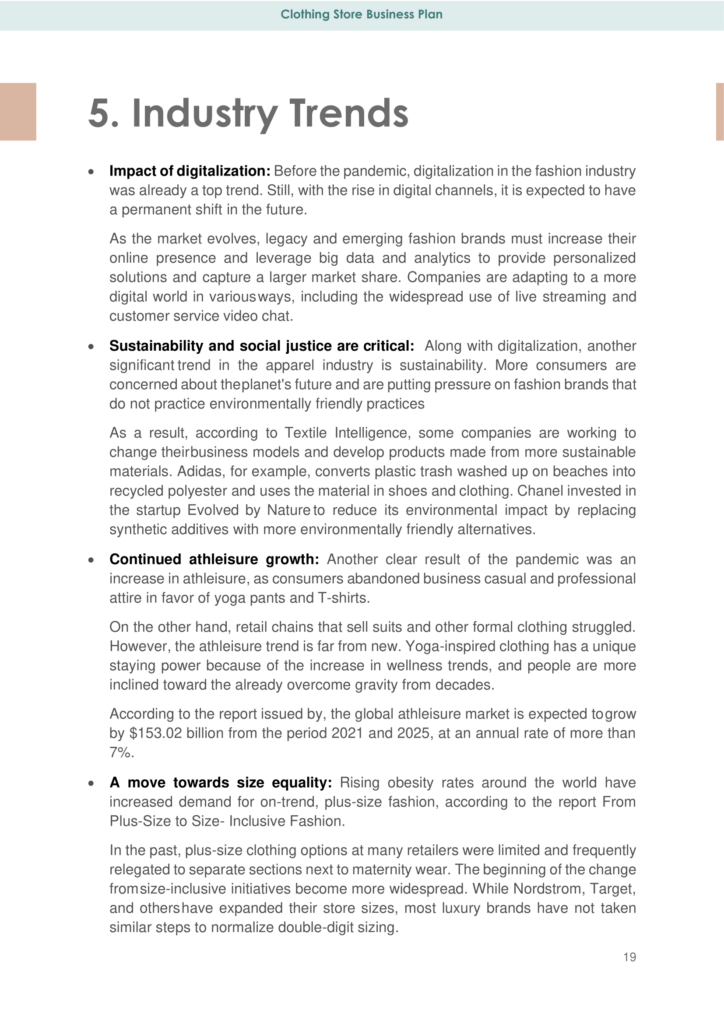
Once you have a solid product and a clear understanding of your market, you need a marketing and sales strategy to reach your target customers.
- Branding: Develop a strong brand identity – logo, color palette, typography, and brand voice. Consistency across all channels is key.
- Online Presence: A professional website is essential. Consider e-commerce platforms like Shopify or Etsy. Social media marketing (Instagram, Pinterest, TikTok) is crucial for visual storytelling and engagement.
- Content Marketing: Create valuable content – blog posts, style guides, videos – that attracts and engages your target audience.
- Social Media Marketing: Utilize targeted advertising on platforms like Facebook and Instagram to reach specific demographics.
- Influencer Marketing: Partner with relevant influencers to promote your clothing line to their followers.
- Sales Channels: Will you sell directly through your website, through wholesale partners, or through retail stores? Each channel has its own advantages and challenges.
Financial Projections
Realistic financial projections are a cornerstone of any business plan. You’ll need to estimate your startup costs, revenue, and expenses.
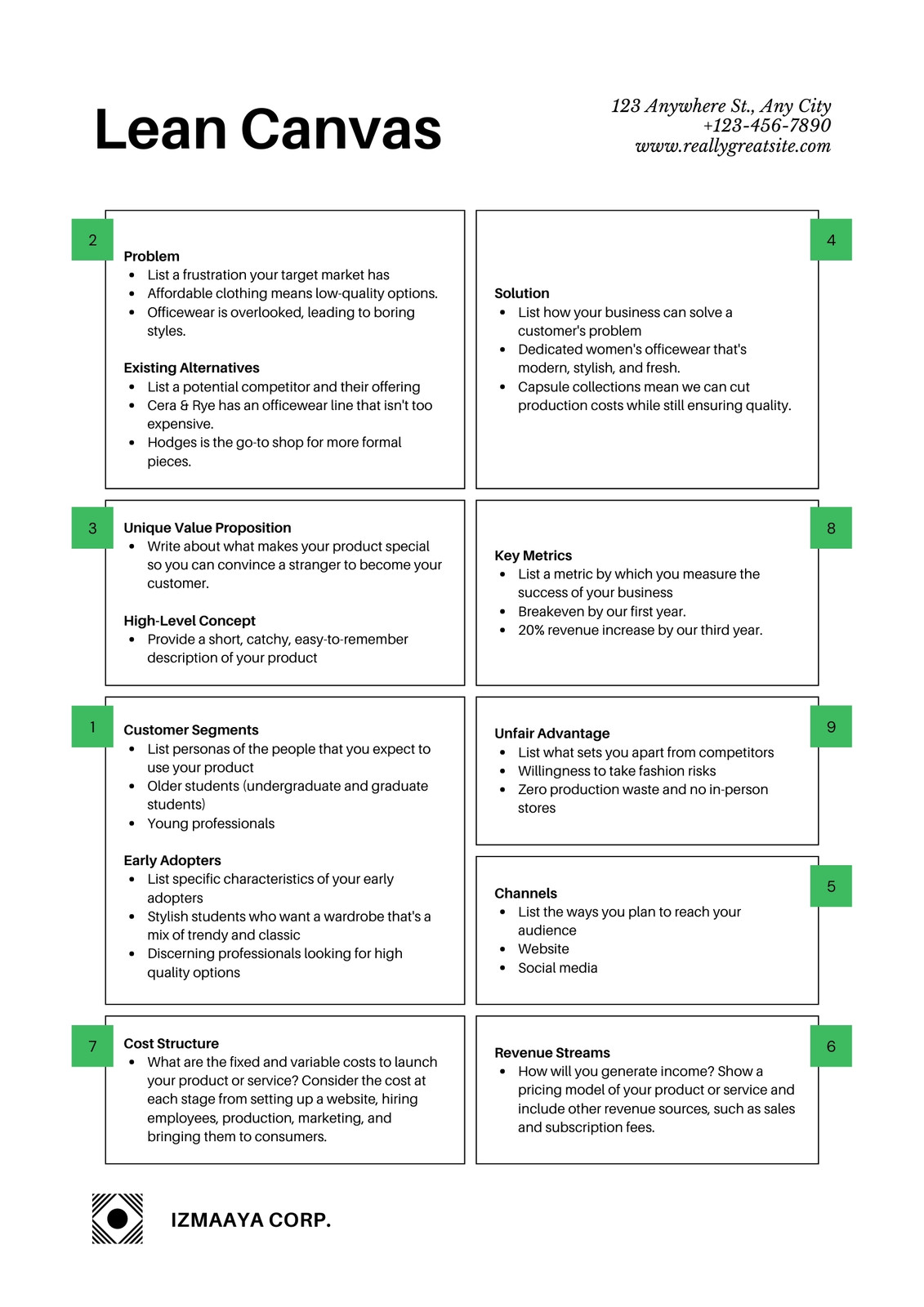
- Startup Costs: Include costs for design, prototyping, inventory, marketing, website development, and legal fees.
- Revenue Projections: Estimate your sales based on market research, pricing strategy, and marketing efforts. Be conservative in your initial projections.
- Cost of Goods Sold (COGS): Calculate the direct costs associated with producing your clothing line – materials, labor, and manufacturing.
- Operating Expenses: Include expenses like rent, utilities, marketing, salaries, and insurance.
- Profit & Loss Statement: Project your profit and loss over a period of time (typically 3-5 years).
- Cash Flow Statement: Track the movement of cash in and out of your business. This is crucial for managing your finances.
- Funding Request (if applicable): If you’re seeking funding, clearly state the amount you need and how you plan to use it.
Operations & Management
Beyond the financial aspects, you need to consider the operational aspects of running your clothing line.
- Supply Chain Management: Establish reliable relationships with suppliers.
- Inventory Management: Implement a system for tracking inventory levels and minimizing waste.
- Order Fulfillment: Determine how you’ll handle order processing, packaging, and shipping.
- Customer Service: Provide excellent customer service to build loyalty and positive reviews.
- Legal & Regulatory Compliance: Ensure you comply with all relevant laws and regulations, including labor laws, sales tax, and intellectual property protection.
Risk Assessment & Mitigation
Every business faces risks. Identify potential risks – such as changing fashion trends, increased competition, or supply chain disruptions – and develop strategies to mitigate them. Having contingency plans in place is essential. For example, diversifying your product line or establishing relationships with multiple suppliers can help buffer against supply chain disruptions.
Conclusion
Creating a successful business plan for a clothing line is a significant undertaking, but it’s a vital investment in your future. By thoroughly analyzing your target market, developing a compelling product and marketing strategy, and carefully managing your finances, you can significantly increase your chances of success. Remember that a business plan is a living document – it should be reviewed and updated regularly as your business evolves. Business Plan Template For Clothing Line is a valuable tool for guiding your journey. Ultimately, a well-crafted business plan will not only help you secure funding but also provide a clear roadmap for building a thriving and sustainable clothing line.
0 Response to "Business Plan Template For Clothing Line"
Posting Komentar