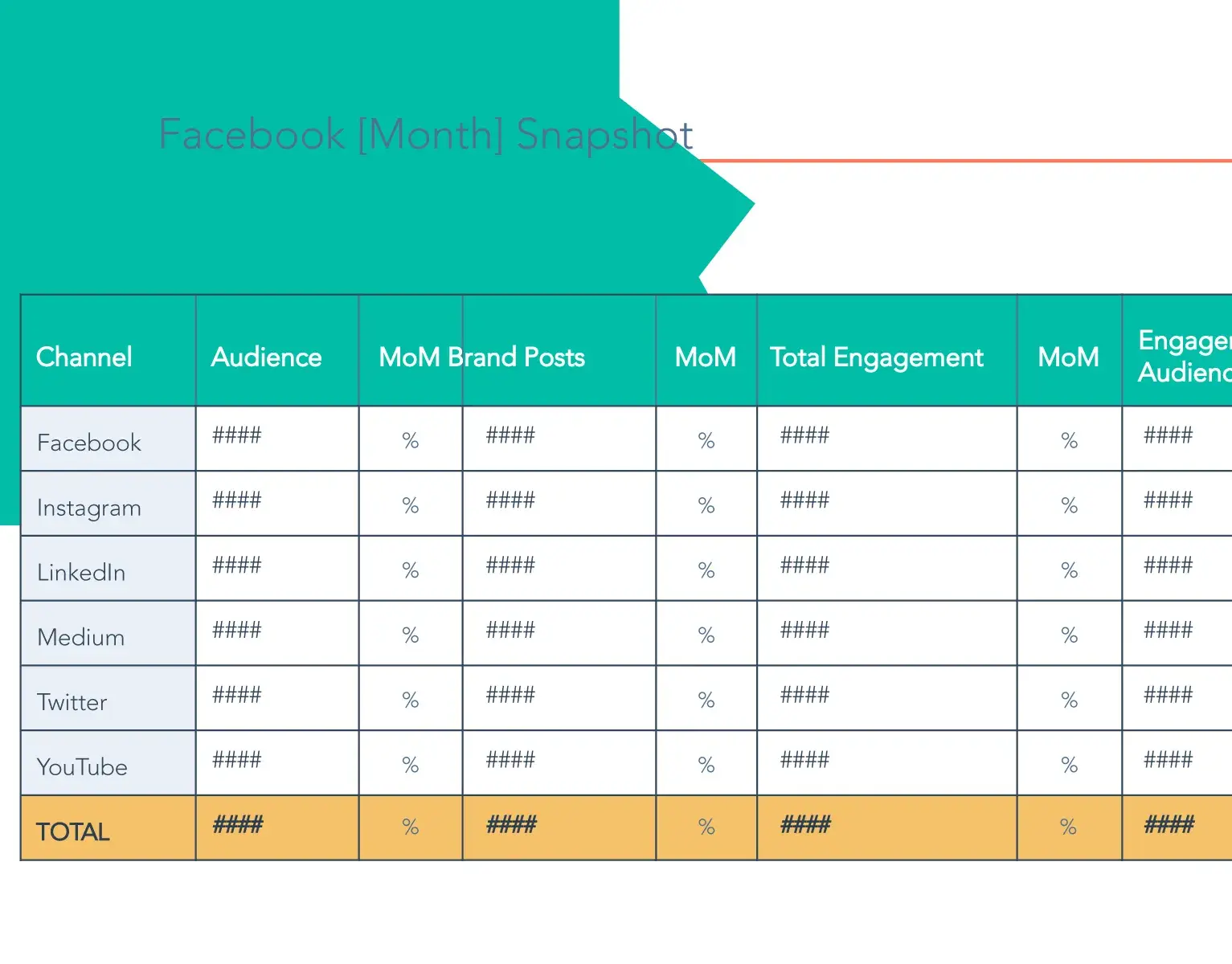
The modern marketing landscape demands constant monitoring and analysis of social media performance. Tracking your efforts, understanding what’s working, and optimizing your strategy is crucial for achieving your business goals. That’s where a well-structured Weekly Social Media Report Template comes in. This template provides a clear, concise, and actionable framework for capturing and analyzing your social media data, allowing you to make informed decisions and maximize your return on investment. It’s designed to be easily adaptable to various platforms and business needs, ensuring you’re always on top of your social game. Weekly Social Media Report Template is more than just a document; it’s a tool for growth.
The core purpose of a Weekly Social Media Report Template is to provide a centralized location for all the data related to your social media activities. It’s a living document that evolves with your business, allowing you to track progress, identify trends, and adjust your strategy accordingly. Without a consistent reporting process, it’s difficult to demonstrate the value of your social media efforts to stakeholders and to make data-driven improvements. A robust template ensures that everyone involved – from marketing teams to executives – is aligned on key metrics and objectives. It’s a fundamental element of effective social media management.

Understanding Key Metrics
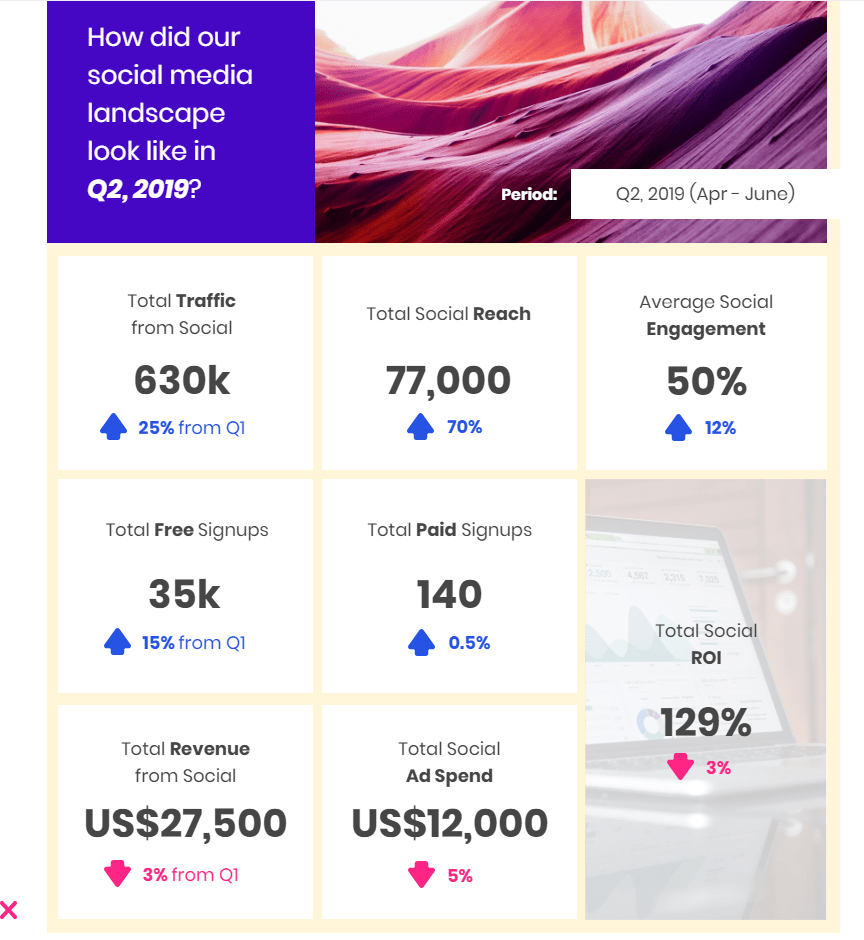
Before diving into the specifics of the template, it’s essential to understand the key metrics that should be tracked. These metrics provide a broad overview of your social media performance. Here’s a breakdown of the most important indicators:

- Reach: This measures the total number of unique users who have seen your content. High reach indicates that your content is being discovered by a wider audience. Tracking reach across different platforms is vital for understanding your overall visibility.
- Impressions: This represents the total number of times your content has been displayed, regardless of whether it was clicked or engaged with. Impressions are a good indicator of content exposure.
- Engagement: This encompasses the level of interaction your content receives – likes, comments, shares, saves, and clicks. Higher engagement rates suggest that your content resonates with your audience.
- Website Traffic: Analyzing the traffic driven to your website from social media is critical. Tools like Google Analytics can help you determine the effectiveness of your social media campaigns in driving qualified leads.
- Follower Growth: Tracking the number of new followers you gain each week provides insight into your ability to attract new audiences. A consistent upward trend is a positive sign.
- Top Performing Posts: Identifying which posts generated the most engagement – likes, comments, shares – allows you to replicate successful strategies and focus your efforts on what resonates most with your audience.
Analyzing Social Media Performance
The template facilitates a detailed analysis of these metrics, allowing you to identify trends and patterns. Here’s how to approach each metric:
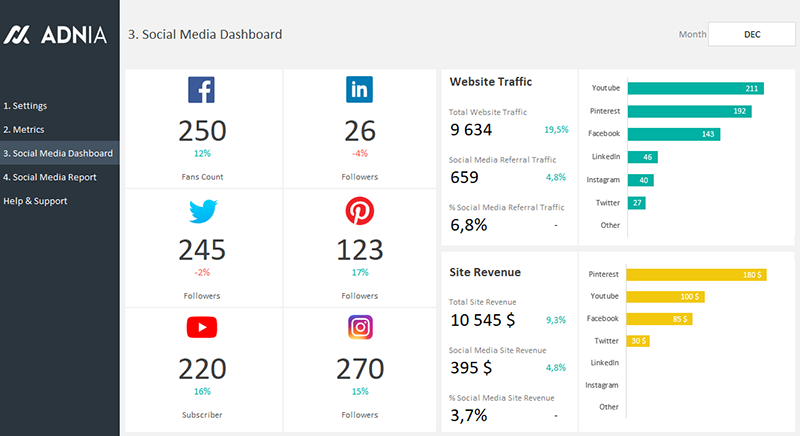
- Reach & Impressions: Compare reach to impressions to understand the breadth of your audience. Are you reaching more people, or are you simply showing your content to more people?
- Engagement Rate: Calculate engagement rate (total engagement / reach or impressions) to gauge the effectiveness of your content in stimulating interaction. A higher engagement rate indicates that your content is compelling.
- Website Traffic: Use Google Analytics to track the source of your website traffic. Is social media driving qualified leads, or are you seeing a higher volume of casual visitors?
- Follower Growth: Monitor follower growth trends to assess the success of your social media strategy. Are you attracting new followers, or are you losing followers?
Weekly Breakdown – A Detailed Example
Let’s look at a sample weekly breakdown, illustrating how to use the template effectively. This is just an example; tailor it to your specific business and goals.
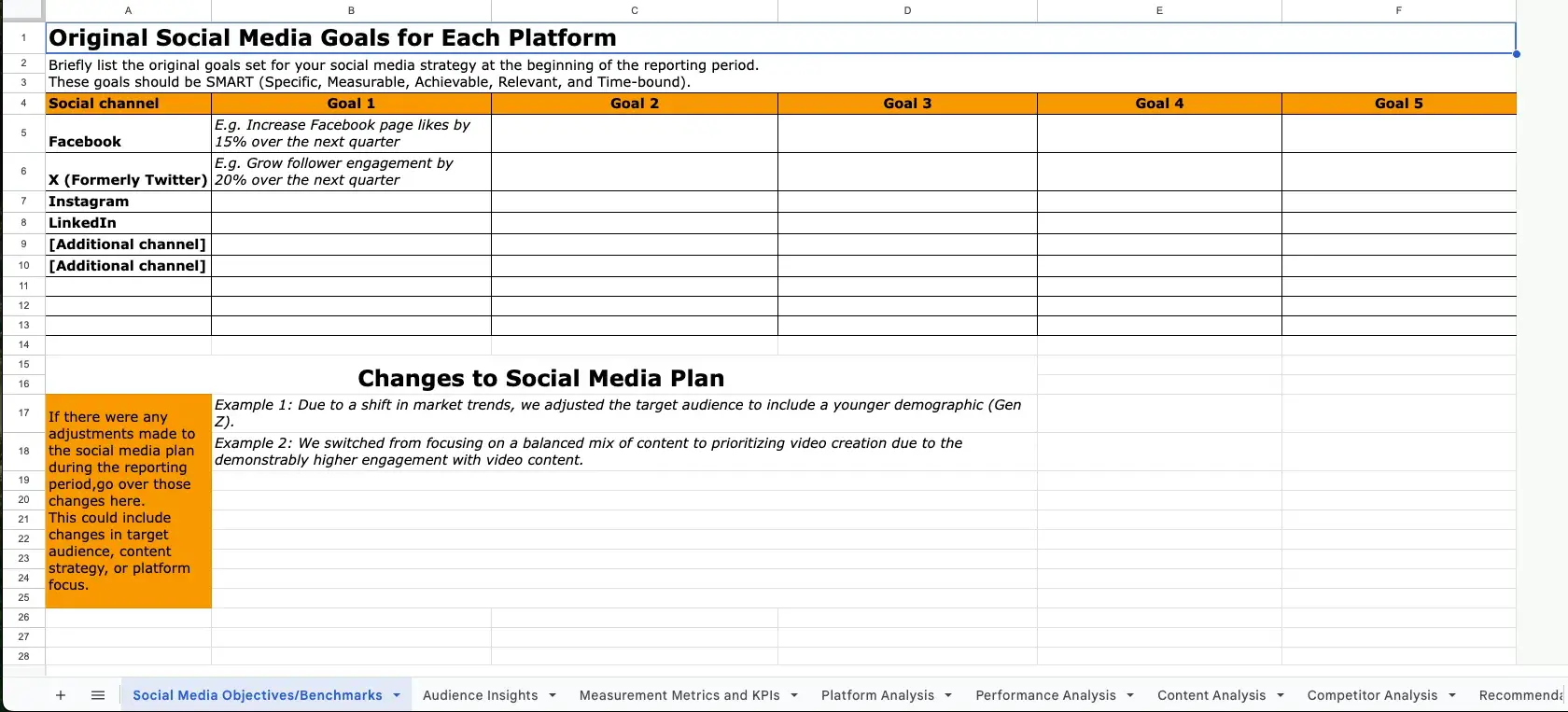
Week of October 23rd – October 29th
- Monday: Instagram – Post featuring a new product launch. Reach: 5,000, Impressions: 12,000, Engagement: 800 (Likes, Comments, Shares). Website Traffic: 250 visits. Analysis: Instagram engagement is strong, indicating a successful launch.
- Tuesday: Twitter – Sharing industry news and insights. Reach: 3,000, Impressions: 8,000, Engagement: 150 (Likes, Retweets, Replies). Website Traffic: 100 visits. Analysis: Twitter engagement is moderate, suggesting the need to diversify content formats.
- Wednesday: Facebook – Running a contest to win a gift card. Reach: 7,000, Impressions: 15,000, Engagement: 2,000 (Likes, Comments, Shares). Website Traffic: 300 visits. Analysis: The contest generated significant engagement and drove traffic to the website.
- Thursday: LinkedIn – Sharing a thought leadership article on industry trends. Reach: 4,000, Impressions: 10,000, Engagement: 1,500 (Likes, Comments, Shares). Website Traffic: 150 visits. Analysis: LinkedIn engagement is good, demonstrating the value of sharing industry expertise.
- Friday: TikTok – Short, engaging video showcasing a product demo. Reach: 6,000, Impressions: 18,000, Engagement: 3,000 (Likes, Comments, Shares). Website Traffic: 80 visits. Analysis: TikTok performance is promising, indicating a potential for viral content.
- Saturday: Pinterest – Creating a visually appealing infographic related to a blog post. Reach: 2,000, Impressions: 5,000, Engagement: 500 (Likes, Saves, Comments). Website Traffic: 100 visits. Analysis: Pinterest is driving traffic to the blog, suggesting a strong connection between social media and content marketing.
- Sunday: General – Reviewing the week’s performance and planning for the upcoming week. Reach: 4,000, Impressions: 10,000, Engagement: 1,000 (Likes, Comments, Shares). Website Traffic: 120 visits. Analysis: A good opportunity to identify areas for improvement and adjust strategy.
Conclusion
A well-structured Weekly Social Media Report Template is an invaluable asset for any business seeking to optimize its social media presence. By consistently tracking key metrics, analyzing performance, and adapting your strategy accordingly, you can ensure that your social media efforts are delivering a strong return on investment. Remember that this is a dynamic process – continuously refine your template and adapt it to your evolving business goals. Regularly reviewing and updating your report will ensure that it remains a powerful tool for driving growth and achieving success on social media. Ultimately, a proactive and data-driven approach to social media management is key to staying ahead of the curve and achieving your desired outcomes.
0 Response to "Weekly Social Media Report Template"
Posting Komentar