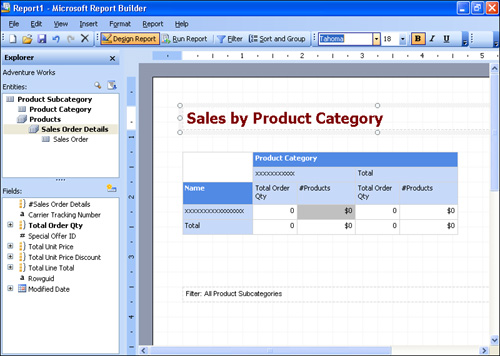
In today’s data-driven world, businesses are constantly seeking ways to efficiently collect, analyze, and present information. Complex reports can be time-consuming to create, often requiring specialized skills and significant effort. That’s where report builder templates come in – powerful, pre-designed solutions that dramatically reduce the time and resources required to generate professional-looking reports. Report Builder Templates offer a streamlined approach to data visualization and analysis, empowering users to quickly create insightful reports without extensive technical expertise. This article will explore the benefits of using these templates, showcasing popular options and providing guidance on selecting the right one for your specific needs. We’ll delve into the features, advantages, and considerations when choosing a template that aligns with your organization’s goals. Let’s begin!
Understanding the Need for Report Builder Templates
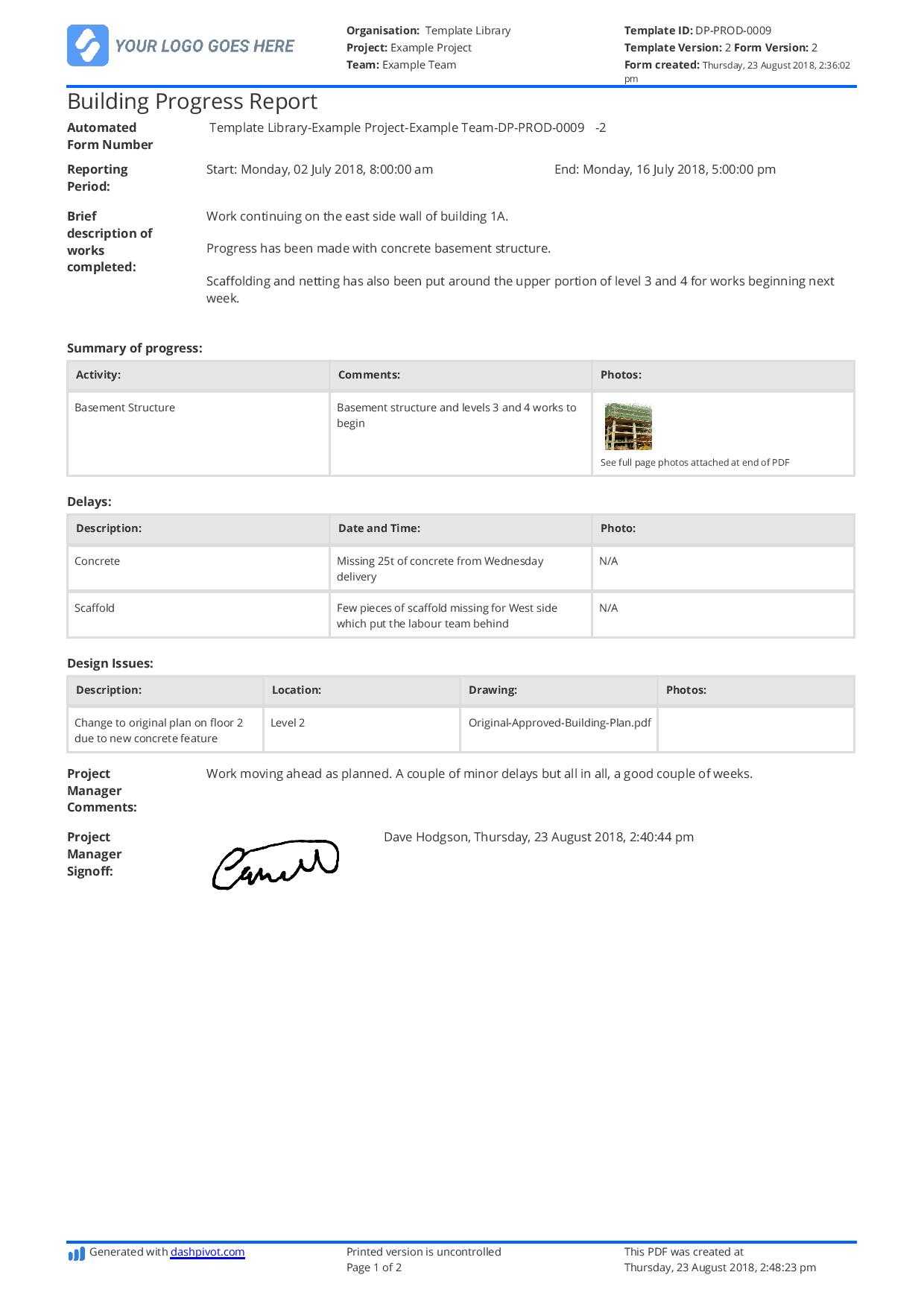
The traditional process of building a report often involves a significant amount of manual effort. Data is collected from various sources, then manually formatted into a spreadsheet or presentation. This process is prone to errors, time-consuming, and can be frustrating for users who lack the necessary skills. Report Builder Templates address these challenges by providing a ready-made foundation for creating professional-quality reports. They offer a range of pre-built layouts, data connectors, and customization options, significantly accelerating the report creation workflow. The benefits extend beyond just speed; they also contribute to improved data accuracy and consistency. Furthermore, templates often incorporate best practices for data visualization, ensuring that reports are clear, concise, and easy to understand.
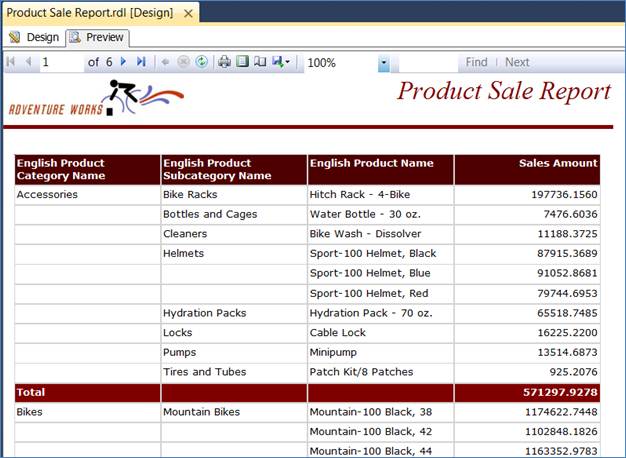
Popular Report Builder Template Options
Several excellent report builder templates are available, catering to diverse needs and technical skill levels. Here are a few of the most popular choices:
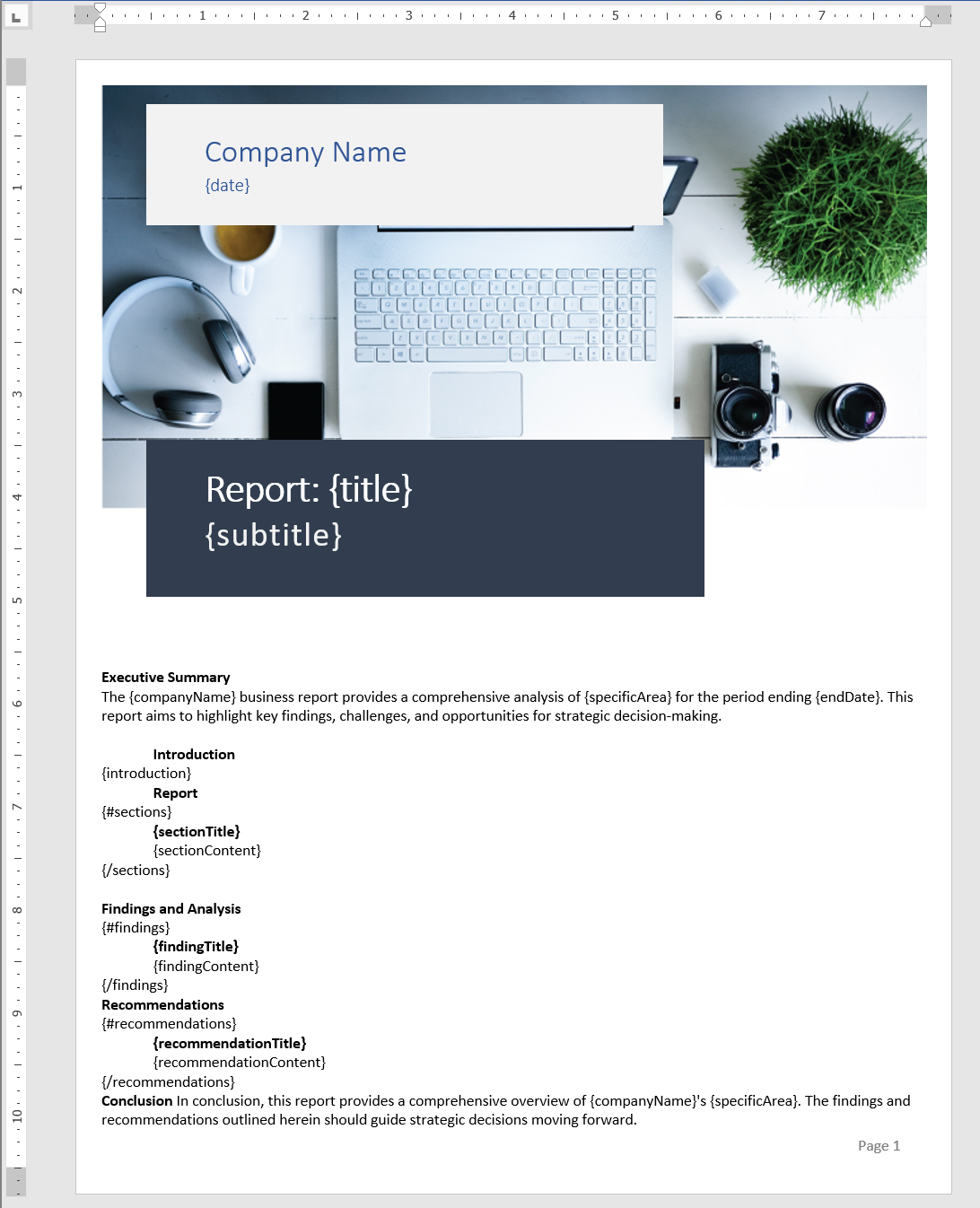
Microsoft Power BI Templates: Power BI is a leading business intelligence platform, and its templates are incredibly versatile. They’re readily available for various industries and data sources, including Excel, SQL Server, and cloud services. These templates often include interactive dashboards, data exploration tools, and automated report generation. They’re a strong choice for organizations already invested in the Microsoft ecosystem. Power BI Templates are particularly well-suited for those who need to integrate data from multiple sources and create dynamic reports.
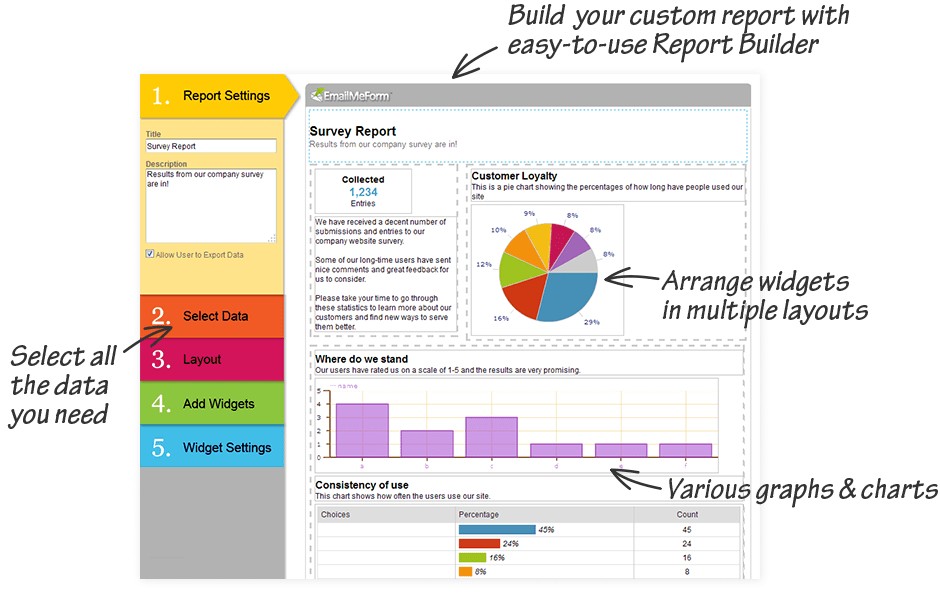
Tableau Desktop Templates: Tableau is renowned for its powerful data visualization capabilities. Tableau offers a vast library of pre-built templates, covering a wide range of business functions – from sales performance to marketing campaign analysis. These templates are known for their intuitive drag-and-drop interface and ability to create stunning, visually appealing reports. Tableau Desktop Templates are a great option for users who prioritize visual storytelling and want to quickly create compelling data presentations.
Google Data Studio: Google Data Studio is a free and powerful tool for creating interactive dashboards and reports. It seamlessly integrates with Google Sheets, Google Analytics, and other Google services. It’s particularly popular among marketing teams and those who need to share data across different platforms. Google Data Studio Templates are often designed for simplicity and ease of use, making them ideal for beginners.
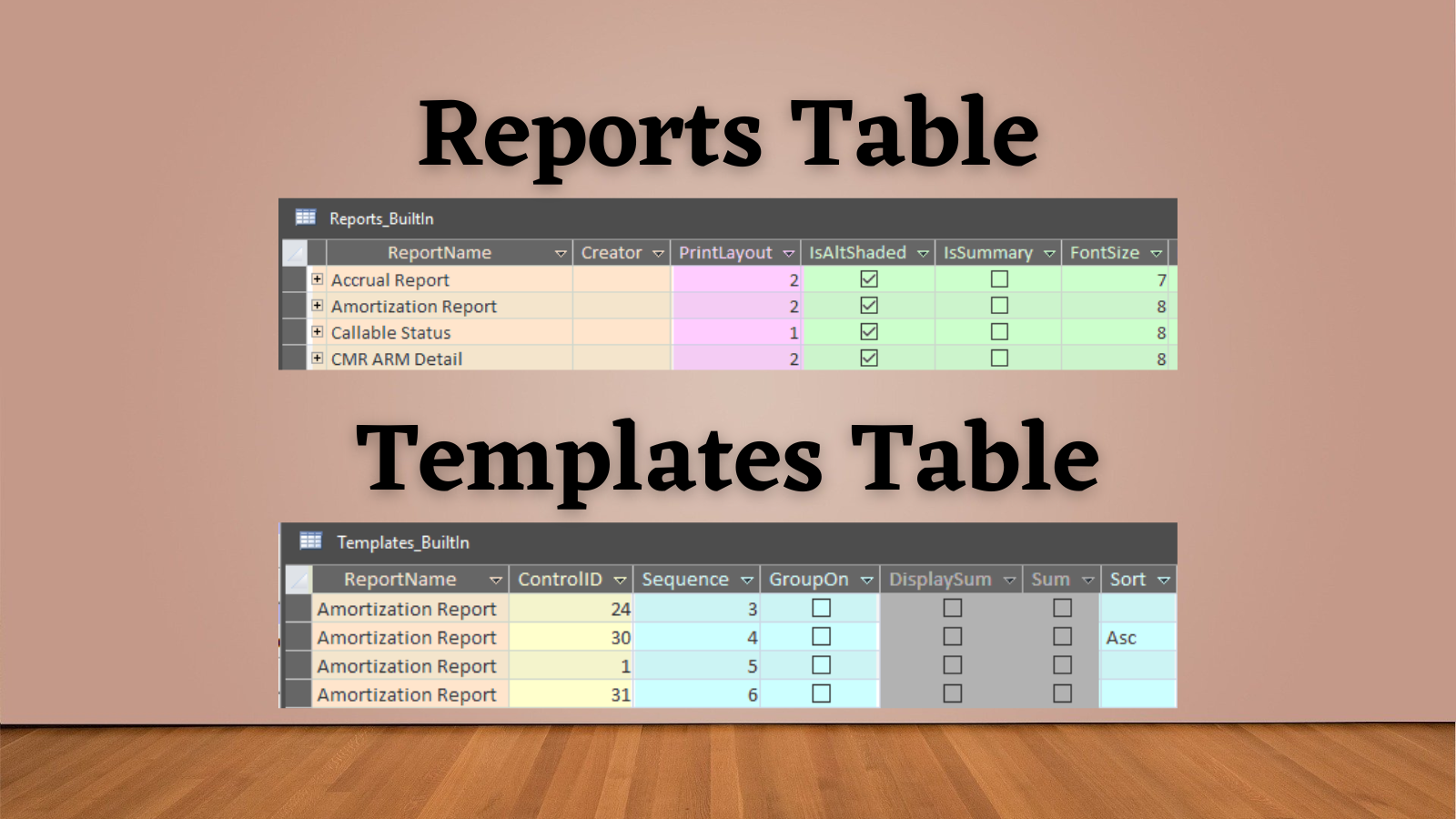
Zoho Analytics Templates: Zoho Analytics offers a range of templates tailored to specific business functions, such as sales, marketing, and operations. These templates are often customizable to fit your unique data and reporting requirements. Zoho Analytics Templates are a cost-effective option for businesses already using the Zoho suite of applications.
Key Features and Benefits of Report Builder Templates
Each template offers a unique set of features and benefits. Here’s a breakdown of some key aspects:
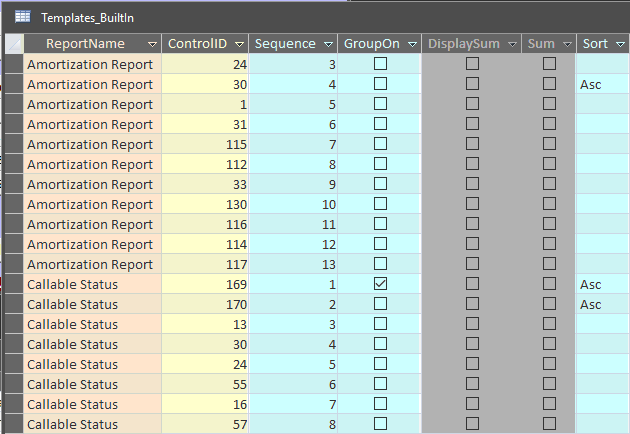
Data Connectivity: Most templates support a wide range of data connectors, allowing you to import data from various sources, including spreadsheets, databases, and cloud services. This eliminates the need for manual data entry and ensures that your reports are based on accurate and up-to-date information.
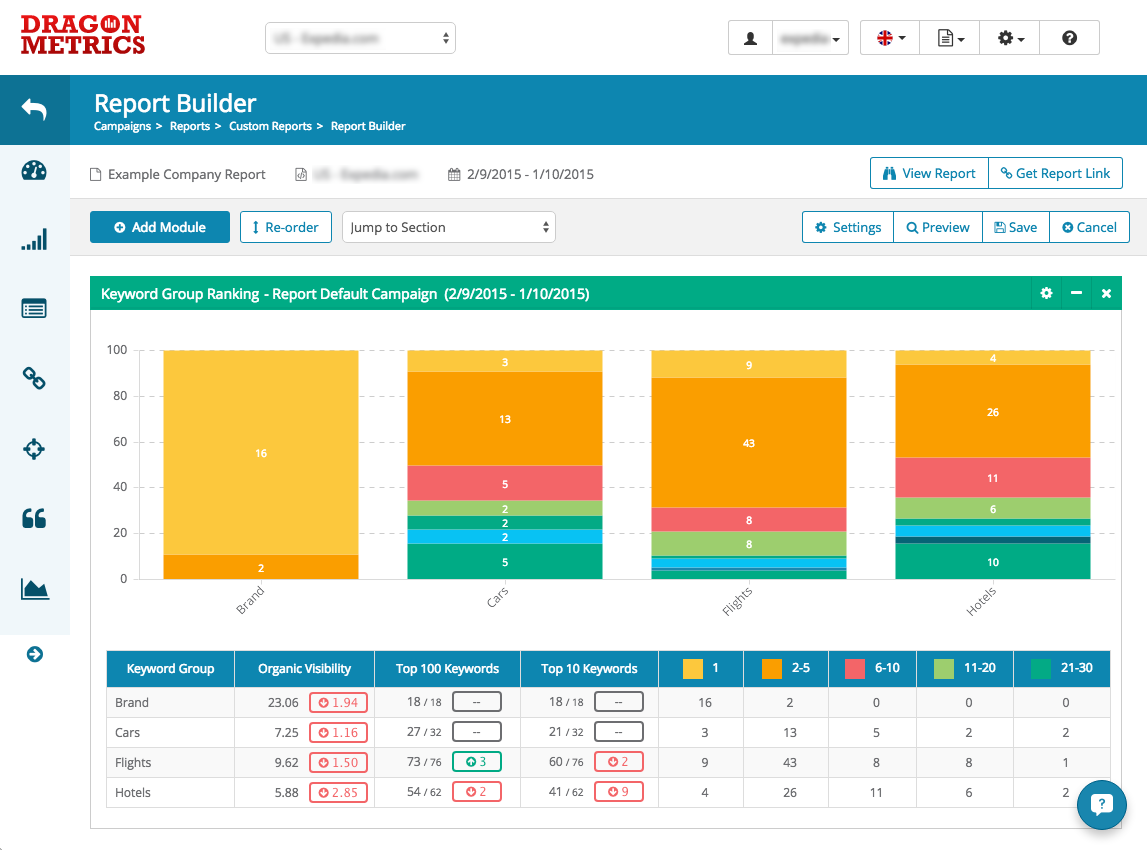
Drag-and-Drop Interface: Many templates utilize a drag-and-drop interface, making it easy to build reports without requiring extensive technical knowledge. This simplifies the report creation process and reduces the learning curve.
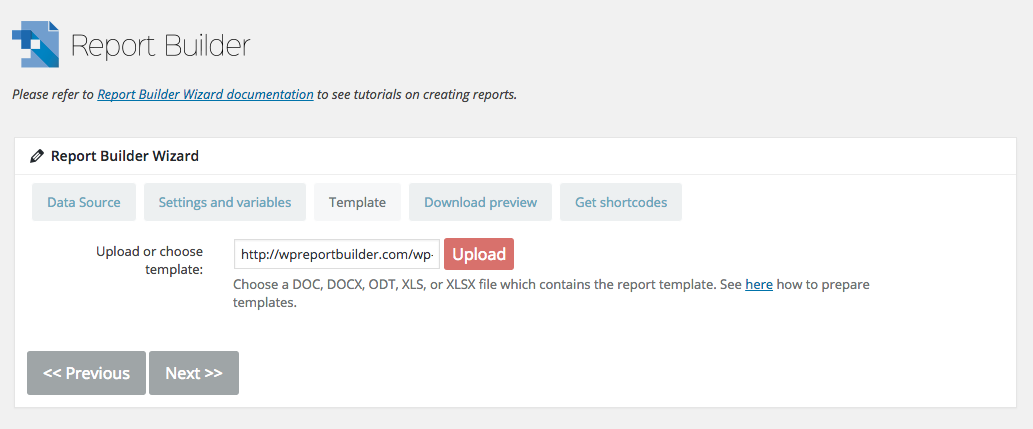
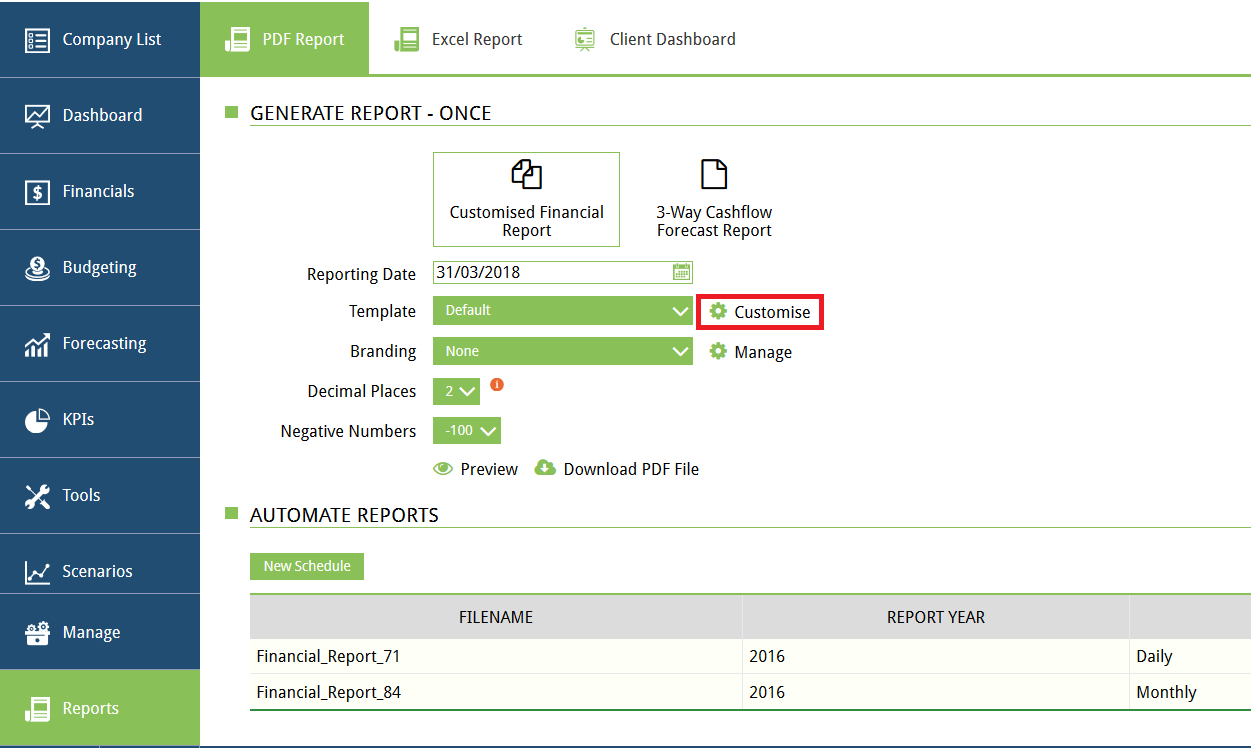
Customization Options: Templates typically offer a high degree of customization, allowing you to tailor the layout, colors, fonts, and data visualizations to match your brand and reporting style.
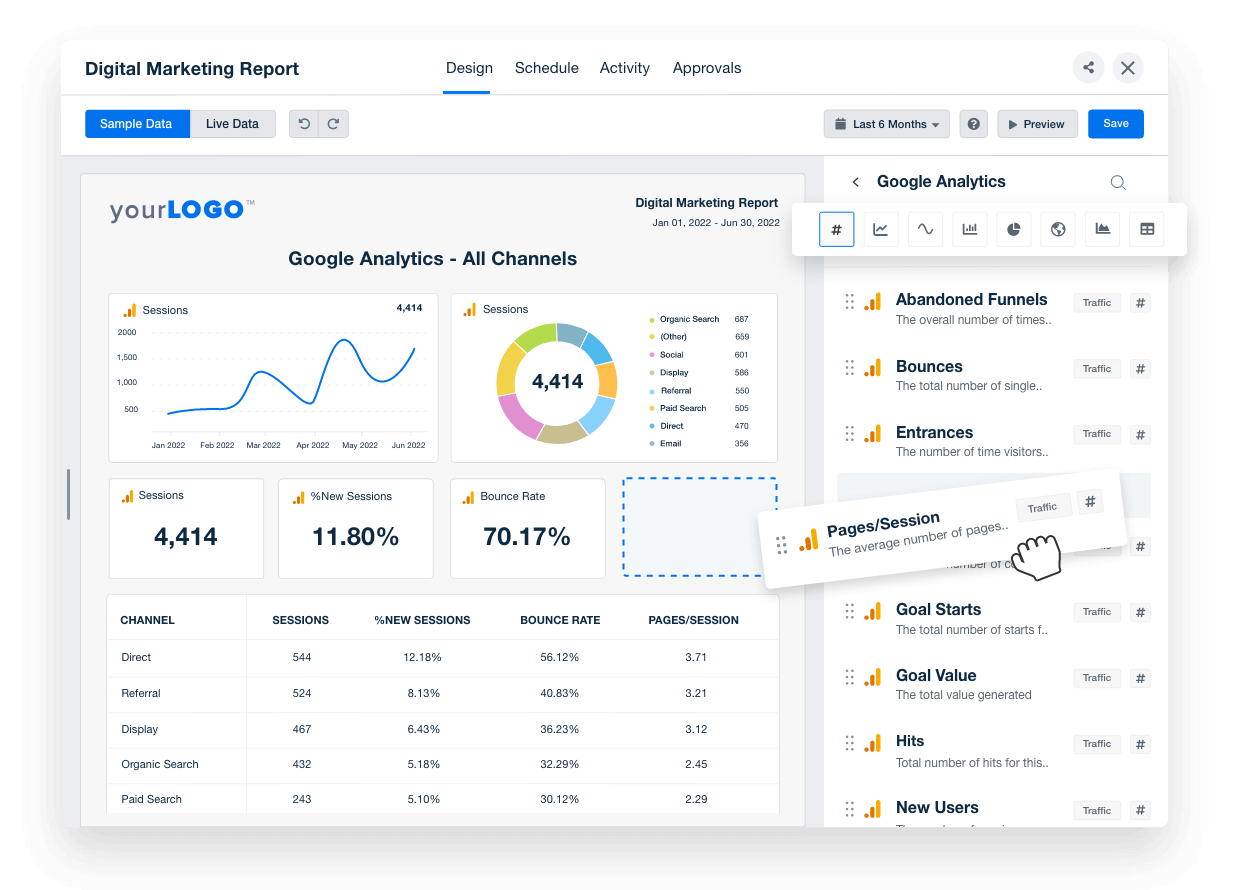
Interactive Dashboards: Some templates include interactive dashboards that allow users to drill down into data, explore different perspectives, and uncover hidden insights.
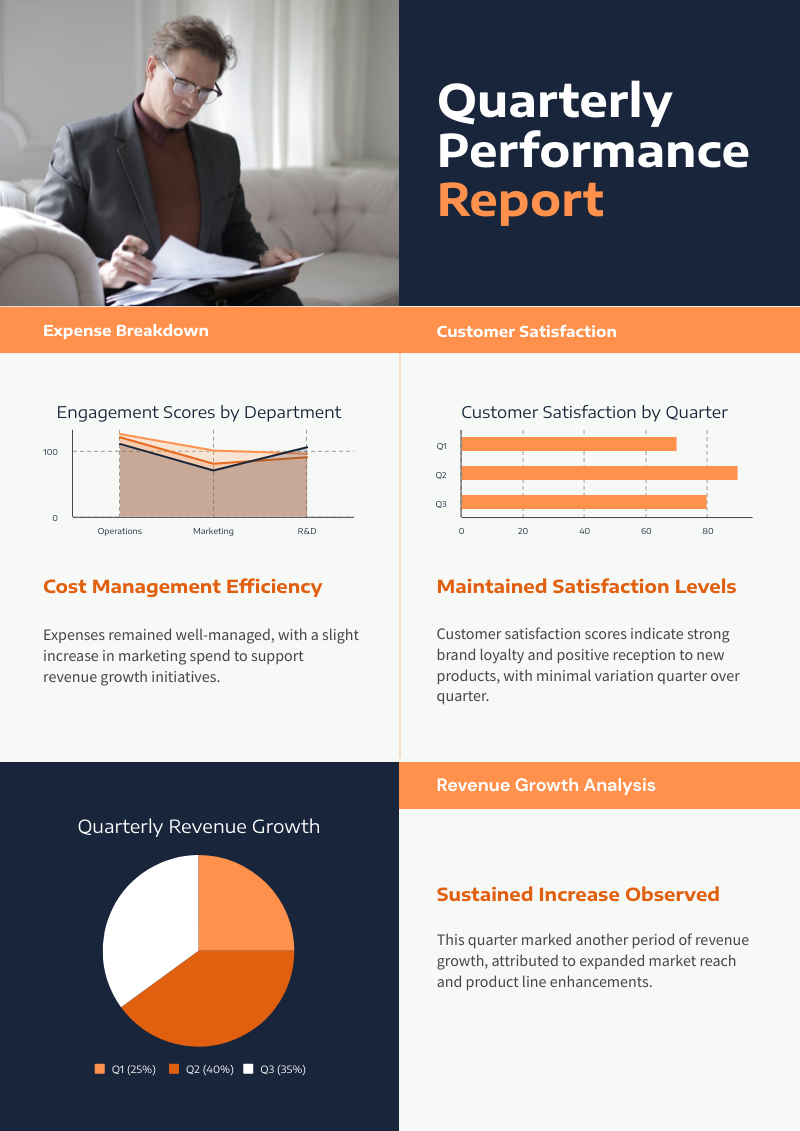
Automated Report Generation: Many templates can automatically generate reports, saving you time and effort. You can often schedule reports to be delivered via email or other channels.

Data Visualization Tools: Templates often incorporate a variety of data visualization tools, such as charts, graphs, and maps, to help you communicate data effectively.

Selecting the Right Report Builder Template for Your Needs
Choosing the right report builder template depends on your specific requirements and technical expertise. Consider the following factors:

Data Sources: What data sources do you need to connect to? Ensure the template supports your preferred data sources.
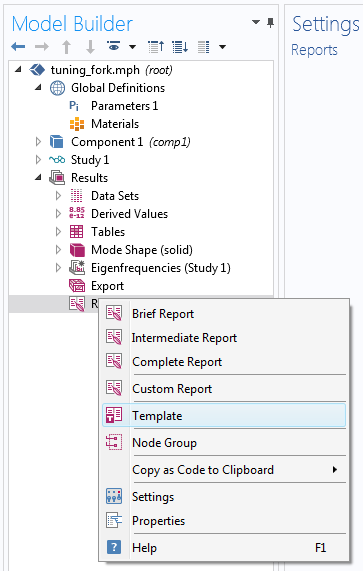
Industry: Some templates are tailored to specific industries, offering pre-built layouts and data visualizations that are relevant to your industry.
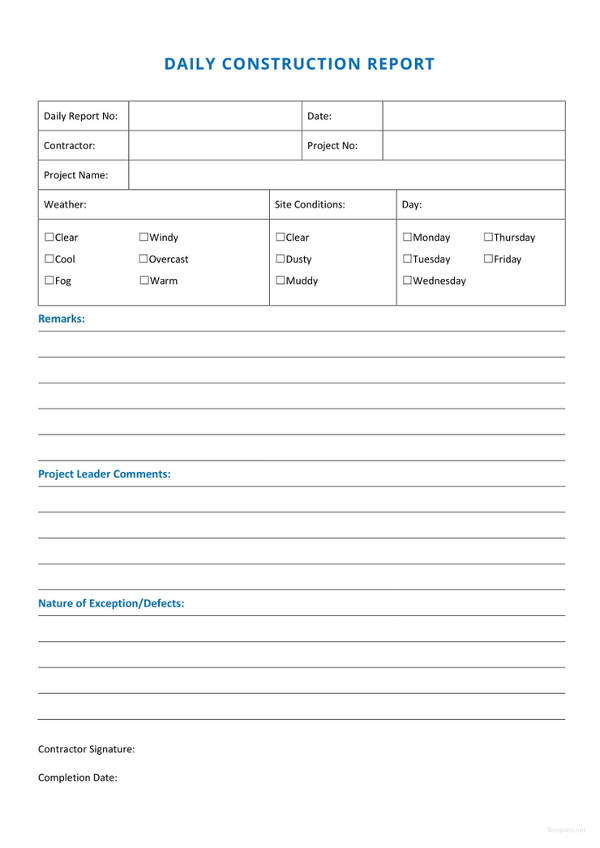
Technical Skill Level: If you’re new to report building, start with a template that offers a user-friendly interface and minimal customization options.
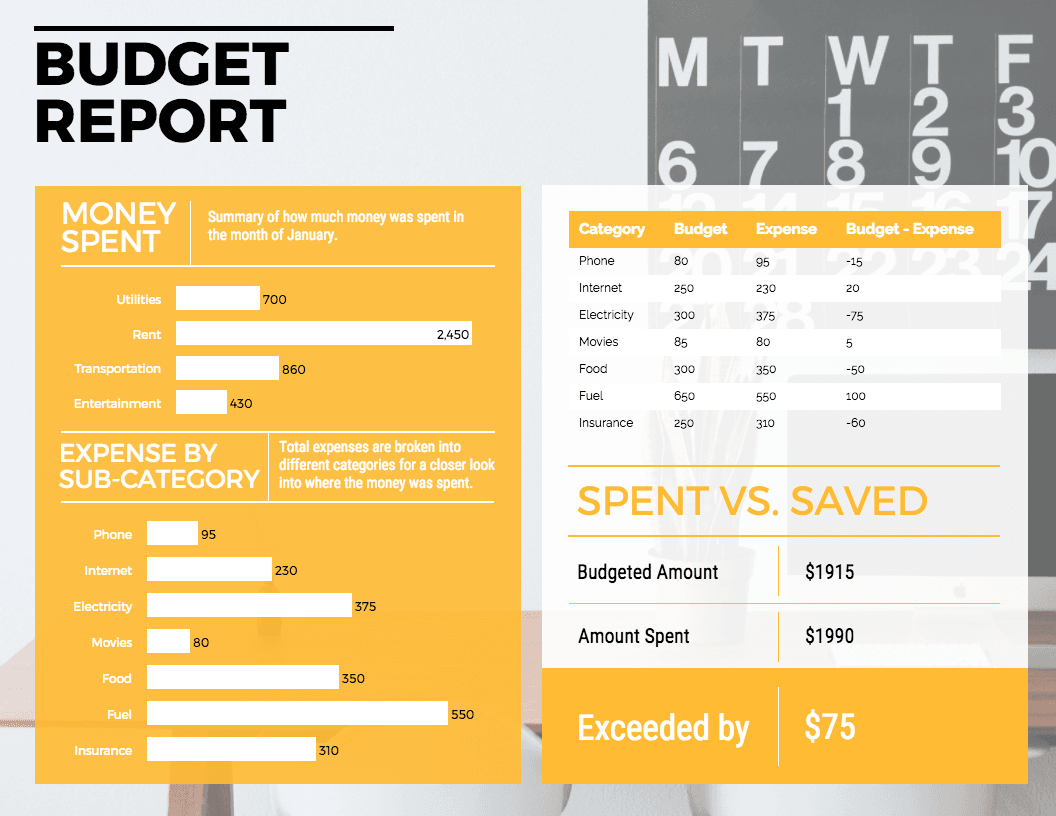
Reporting Requirements: What type of reports do you need to create? Choose a template that supports the required data visualization and interactivity.

Budget: Some templates are free, while others require a subscription or licensing fee.
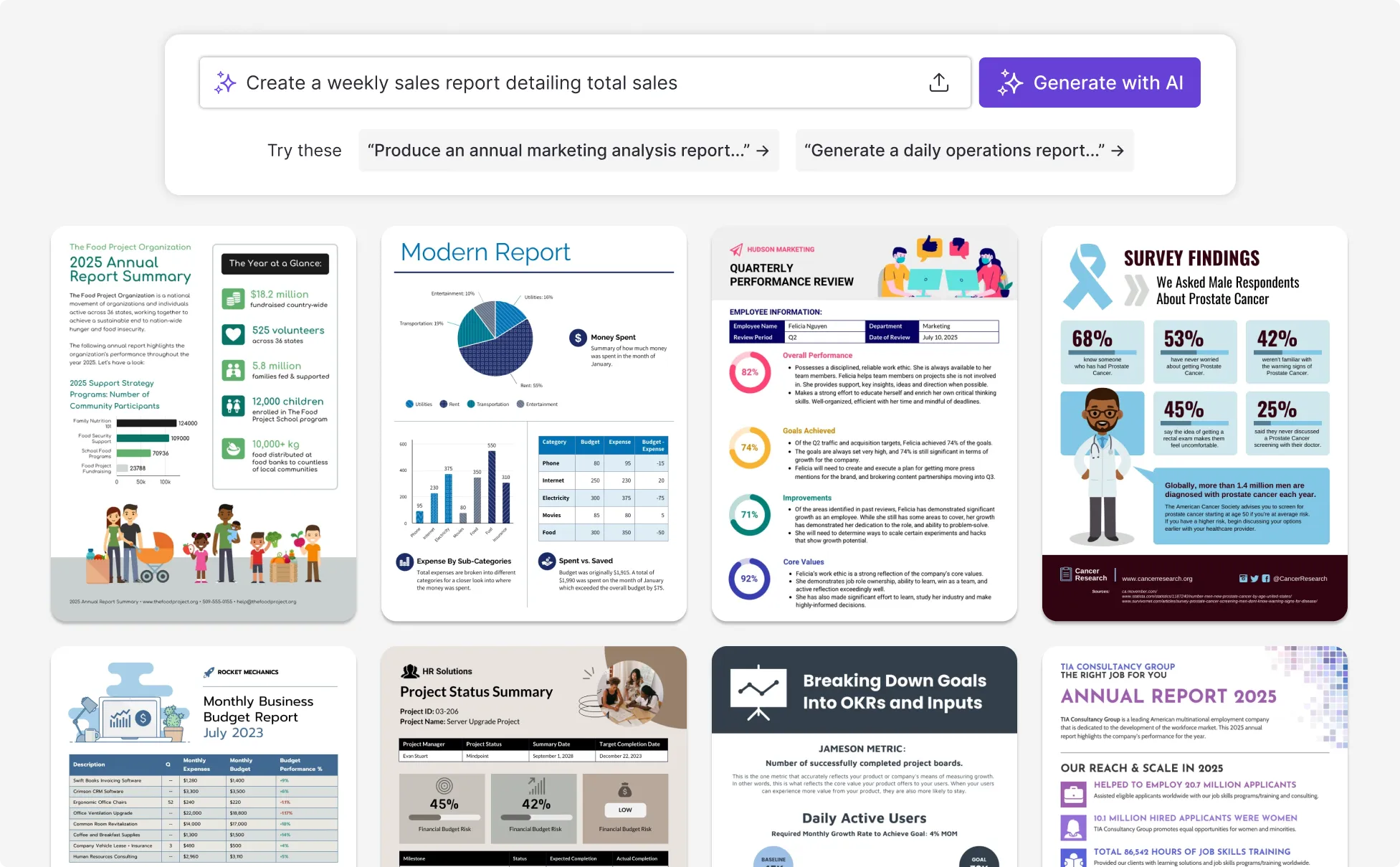
Integration: Does the template integrate with your existing business systems, such as CRM or ERP?
Best Practices for Using Report Builder Templates
To maximize the benefits of using report builder templates, consider these best practices:
Start with a Clear Goal: Before selecting a template, define the purpose of your report and the key insights you want to convey.
Customize the Template: Don’t just use the template as is. Customize it to reflect your brand and reporting style.
Clean and Validate Data: Ensure that your data is accurate and consistent before building your report.
Test Your Report: Thoroughly test your report to ensure that it’s working correctly and that the data is presented accurately.
Provide Context: Include clear labels, titles, and explanations to help users understand the data.
Conclusion: Leveraging Template Power for Data-Driven Success
Report builder templates represent a significant advancement in data analysis and reporting. By providing pre-built solutions and a range of customization options, they empower businesses of all sizes to create professional-looking reports quickly and efficiently. Report Builder Templates are no longer a luxury; they are a critical component of a modern data strategy. Investing in the right template can dramatically improve data accuracy, streamline workflows, and ultimately drive better business decisions. As technology continues to evolve, the demand for effective data visualization tools will only increase, further solidifying the importance of report builder templates. Embrace these tools and unlock the full potential of your data!
0 Response to "Report Builder Templates"
Posting Komentar