
The iconic game of "Who Wants to Be a Millionaire" has captivated audiences worldwide for decades, offering a thrilling blend of strategy, luck, and a healthy dose of brainpower. But have you ever considered how to visually represent this engaging game within a PowerPoint presentation? Creating a compelling and informative PowerPoint template for "Who Wants To Be a Millionaire" is more than just a stylistic choice; it’s a crucial element in effectively communicating the game’s core mechanics and engaging your audience. This article will delve into the best practices for designing a powerful PowerPoint template, focusing on visual appeal, clarity, and user experience. We’ll explore design elements, layout strategies, and content considerations to ensure your template truly shines. “Who Wants To Be A Millionaire Powerpoint Template” is the key to unlocking its potential.
Understanding the Game's Core Mechanics
Before diving into design, it’s essential to understand the fundamental mechanics of "Who Wants To Be a Millionaire." The game revolves around a series of questions, each requiring players to identify the correct answer. The difficulty increases with each round, presenting increasingly complex challenges. Players are presented with a question, and they must choose from a set of options. The game’s scoring system rewards correct answers and penalizes incorrect ones, leading to a thrilling race against the clock. The core loop involves selecting an answer, receiving feedback, and then selecting another answer. This cycle continues until a player reaches the final question, where they must answer correctly to win the grand prize. The game’s success hinges on a combination of strategic thinking, quick decision-making, and a bit of luck.

Design Principles for a Visually Appealing Template
A well-designed PowerPoint template isn’t just about aesthetics; it’s about guiding the viewer’s eye and conveying information effectively. Here are some key design principles to consider:
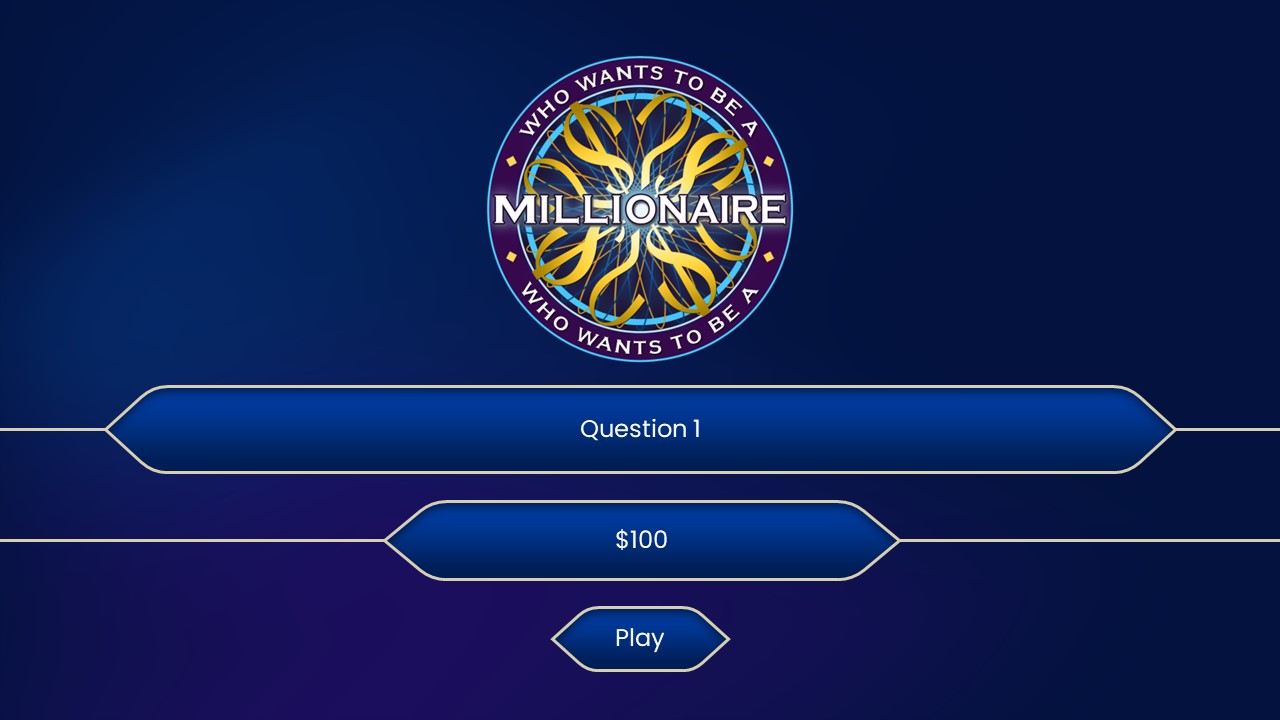
- Color Palette: Choose a color palette that’s both visually appealing and appropriate for the game’s theme. Blues and greens often evoke a sense of trust and intelligence, which aligns well with the game’s intellectual challenge. Avoid overly bright or jarring colors. A consistent color scheme throughout the template will create a cohesive and professional look.
- Typography: Select fonts that are legible and complement the overall design. A clear, sans-serif font is generally a good choice for headlines and body text. Ensure sufficient contrast between the text and the background to improve readability. Don’t overuse multiple fonts – stick to one or two for a clean and professional appearance.
- Imagery: Incorporate relevant images or graphics to enhance the visual appeal and reinforce the game’s theme. Consider using images of classic game elements, such as clocks, numbers, or iconic phrases. However, use images sparingly – they should serve to enhance, not distract from, the content.
- Layout and Spacing: Maintain a balanced and uncluttered layout. Use ample white space to prevent the template from feeling overwhelming. Consistent spacing between elements will improve readability and create a sense of visual harmony. Consider using grid systems to ensure a structured and organized presentation.
Section Breakdown: Visualizing the Game's Stages
Let’s explore how to structure your PowerPoint template to effectively represent the game’s stages.
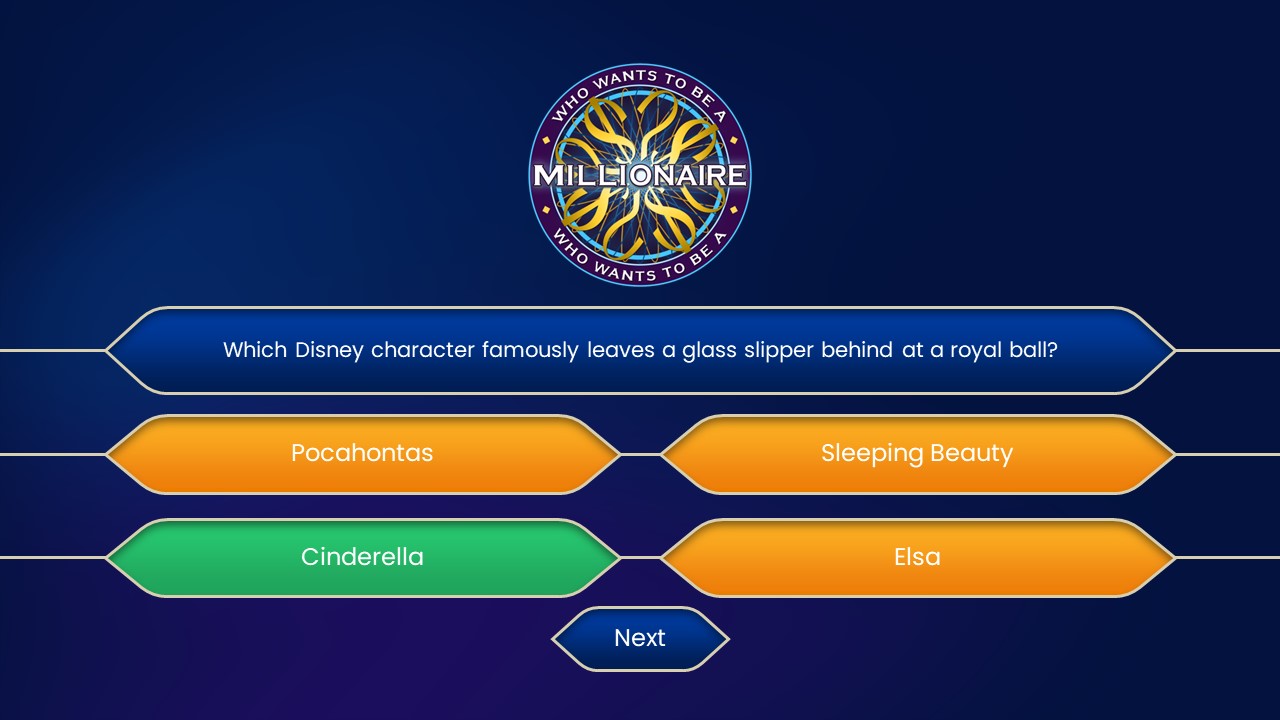
1. Introduction & Game Overview
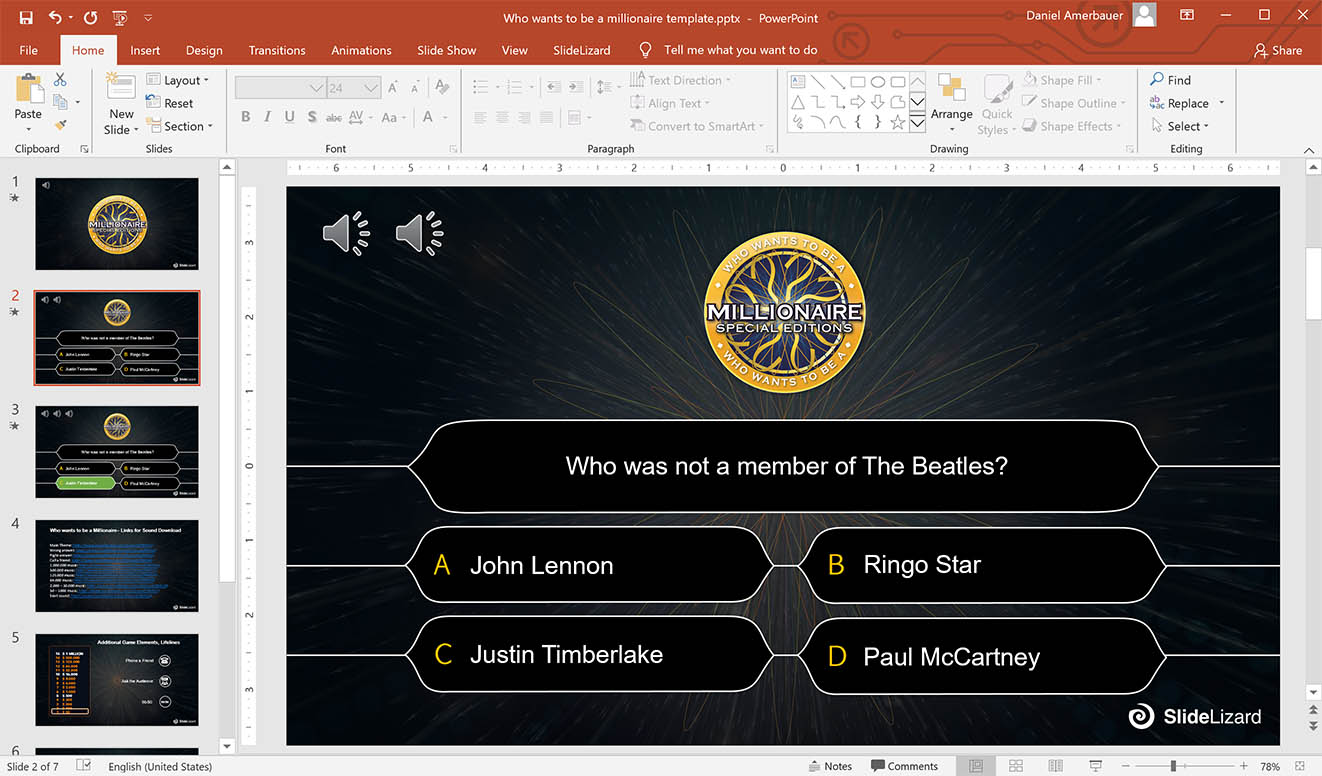
This section should immediately establish the context of the game and provide a brief overview of its mechanics. Start with a captivating image of a classic "Who Wants To Be a Millionaire" board. Briefly explain the core gameplay loop – selecting an answer, receiving feedback, and choosing another. Include a concise statement about the game's appeal – “Who Wants To Be A Millionaire” is a challenging and rewarding game that tests your knowledge and strategic thinking.” This section is crucial for introducing the template and setting the tone for the presentation.
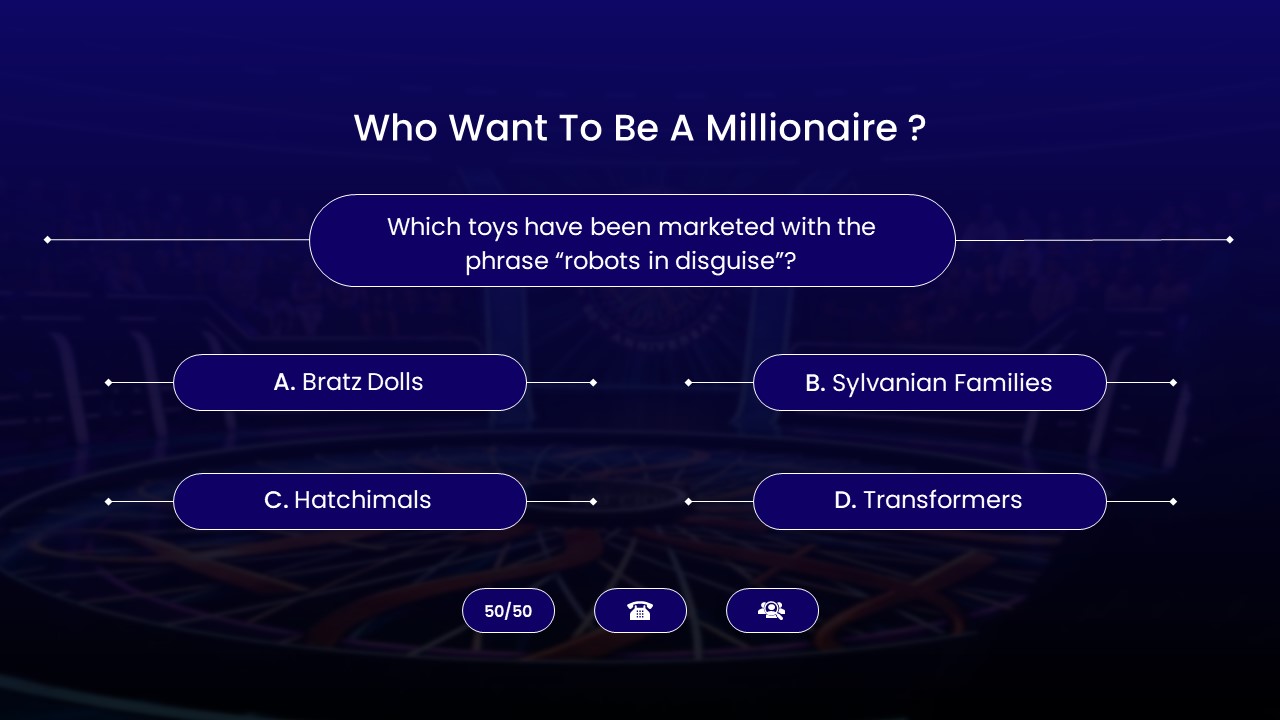
2. Question Selection & Display
This section focuses on how questions are presented to the player. Consider using a visually distinct way to highlight the question being presented. You could use a subtle background color or a different font style to draw attention to the question. Clearly label each question with its number and a brief description of the topic. A simple, clean layout is key here – avoid cluttering the screen with too much information. A progress bar can be used to indicate the player’s progress through the round.
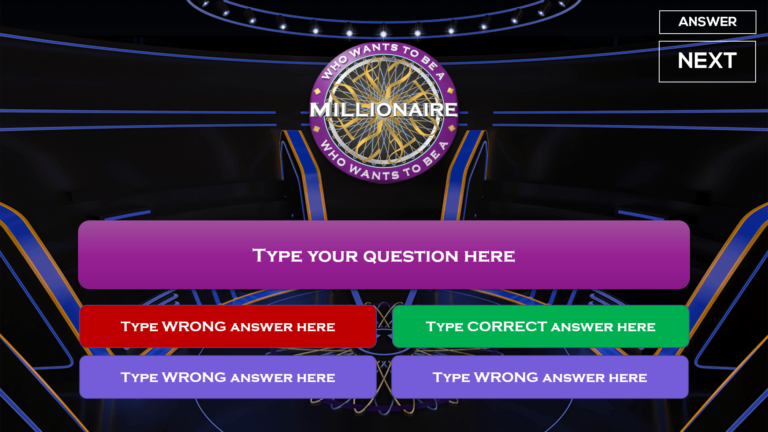
3. Answer Selection & Feedback
This section is where the player’s choices are displayed. Use clear and concise visuals to represent the options. Consider using icons or images to represent each answer. Provide immediate feedback after each answer selection – whether the answer is correct or incorrect. A simple “Correct!” or “Incorrect!” message is sufficient. A visual indicator, such as a checkmark or a “Yes” or “No” symbol, can be helpful. Ensure the feedback is easily understandable and doesn’t overwhelm the player.
4. Scoring & Progress Tracking
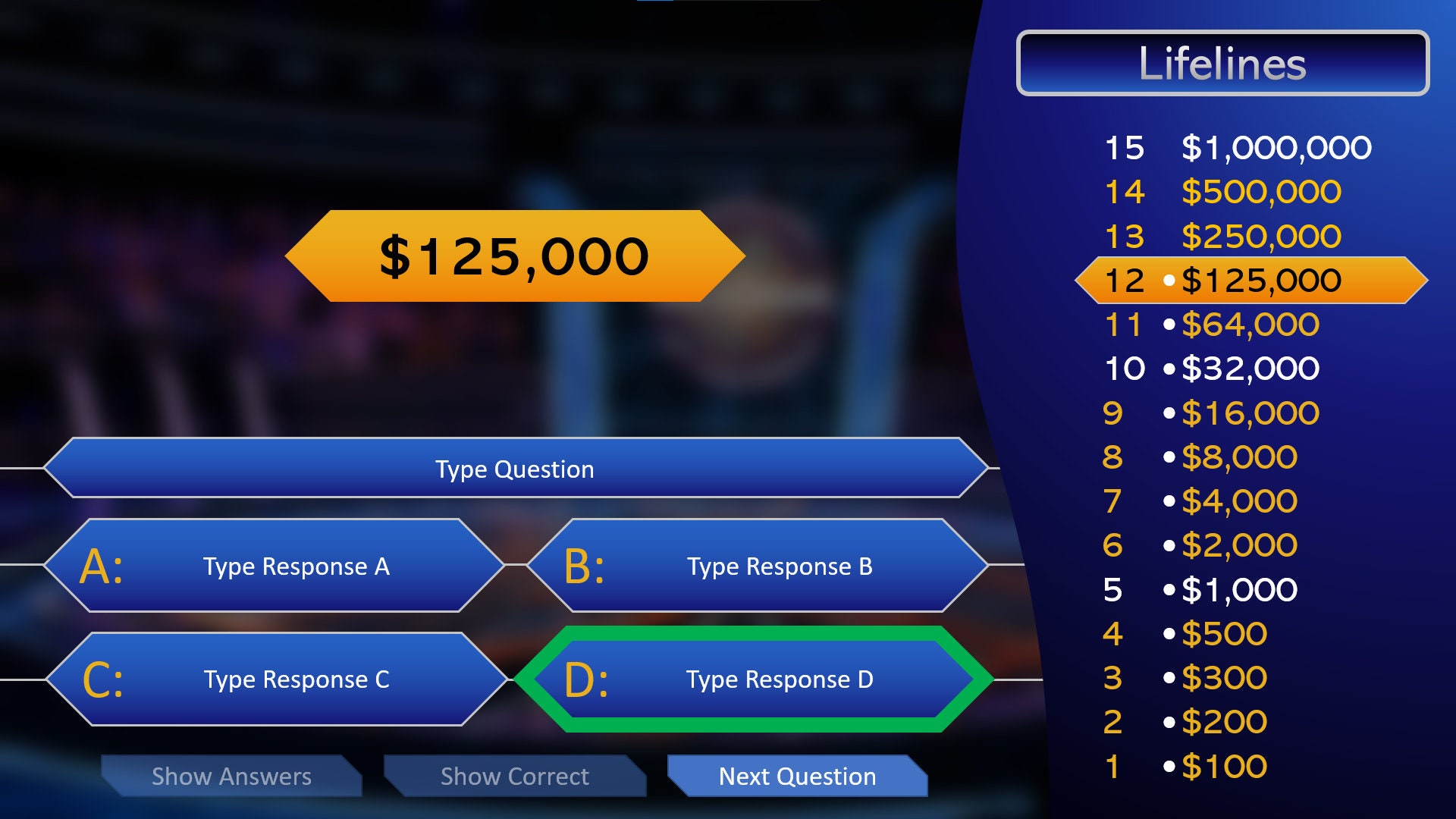
This section visualizes the player’s progress through the game. Use a clear and intuitive way to display the score, the number of rounds remaining, and the current round number. Consider using a progress bar to show how close the player is to winning. A simple chart or graph can be effective for visualizing the game’s progression. This section is vital for keeping the player engaged and motivated.

5. Strategic Tips & Hints (Optional)
This section could include helpful tips and hints for players who are struggling with the game. Offer suggestions for answering questions correctly or for managing their time effectively. These tips should be presented in a concise and easy-to-understand manner. However, avoid giving away the answers – the goal is to provide guidance, not to spoil the challenge. This section can be particularly valuable for players who are new to the game.
6. Game Rules & Regulations (Brief Overview)
A brief summary of the game’s rules and regulations is essential for clarity. This section should cover the key aspects of the game, such as the scoring system, the rules for answering questions, and the penalties for incorrect answers. Keep this section concise and easy to understand.
7. Visual Elements & Animations (Subtle Enhancements)
While the primary focus is on content, subtle animations and visual enhancements can significantly improve the overall presentation. For example, a slight fade-in effect when a question is displayed, or a subtle animation when an answer is selected. However, avoid overusing animations – they should be used sparingly to enhance, not distract. Ensure all animations are smooth and responsive.

8. Call to Action & Conclusion
This section should encourage the player to play the game. Include a clear call to action, such as “Play Now” or “Start Your Journey.” Conclude with a brief summary of the game’s key features and its appeal. Reiterate the game’s core mechanics and the thrill of the challenge. End with a visually appealing image of a player enjoying the game.
Conclusion
Creating a visually appealing and informative PowerPoint template for "Who Wants To Be A Millionaire" is a significant undertaking, but it’s a rewarding one. By carefully considering design principles, structuring the content effectively, and incorporating relevant visuals, you can create a template that not only presents the game’s mechanics but also engages your audience and encourages them to experience the excitement of this classic game. Remember to prioritize clarity, readability, and a consistent visual style. A well-designed template will elevate the presentation and enhance the overall experience for players. The key is to understand the game’s core and translate that understanding into a visually compelling and user-friendly presentation. Investing time in thoughtful design will undoubtedly yield a positive return.

0 Response to "Who Wants To Be A Millionaire Powerpoint Template"
Posting Komentar