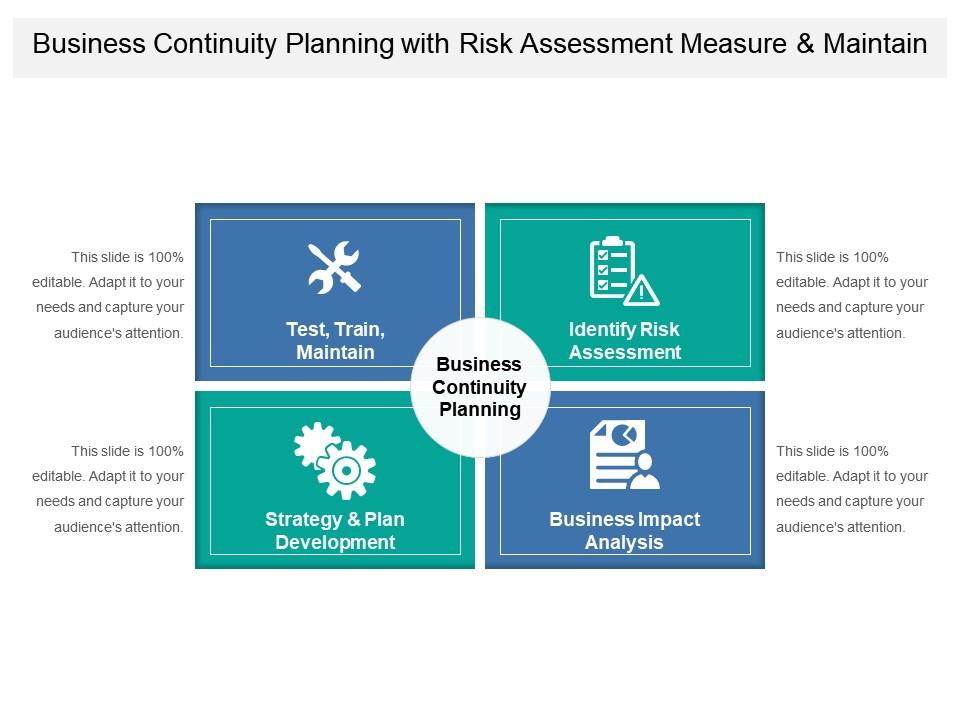
The COVID-19 pandemic dramatically highlighted the critical importance of robust business continuity plans. While many organizations were forced to adapt quickly, the long-term implications of disruptions remain a significant concern. A well-defined and regularly updated Business Continuity Plan (BCP) isn’t just a reactive measure; it’s a proactive strategy for minimizing damage and ensuring continued operations during unforeseen events. This article will delve into the core components of a comprehensive Business Continuity Plan Risk Assessment Template, equipping you with the knowledge to identify, analyze, and mitigate potential risks. Business Continuity Plan Risk Assessment Template is the cornerstone of a resilient organization.
The initial stages of developing a BCP often involve a thorough risk assessment. This isn’t simply about identifying potential problems; it’s about understanding the likelihood and impact of those problems. Ignoring this step can lead to costly delays, reputational damage, and ultimately, business failure. A proactive risk assessment allows you to allocate resources effectively and prioritize mitigation efforts. It’s a continuous process, not a one-time event. Consider this assessment a vital investment in your organization’s future.
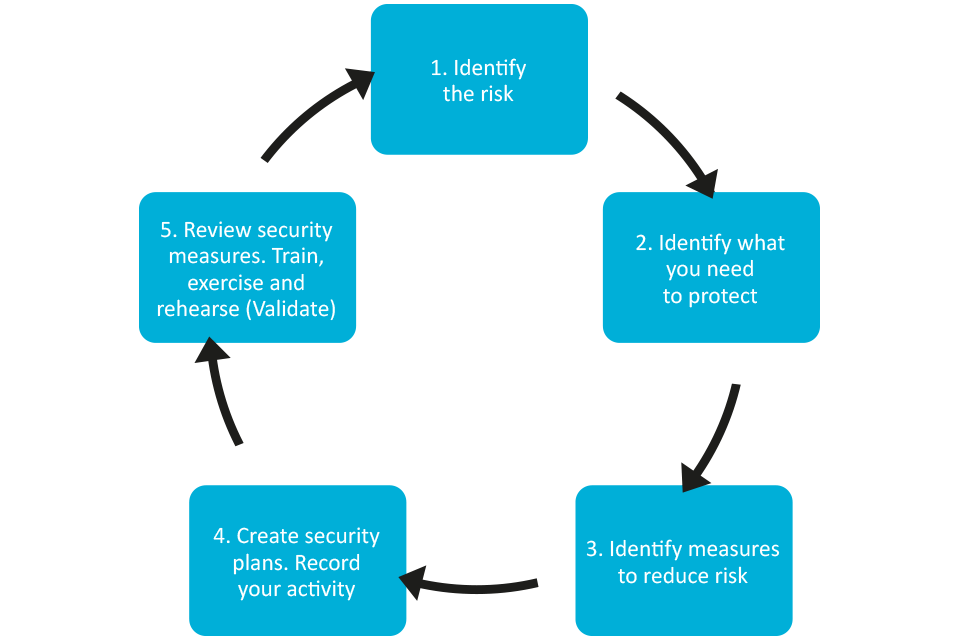
Understanding the Core Components of a Risk Assessment
A robust Business Continuity Plan Risk Assessment Template should encompass several key areas. It’s crucial to move beyond simply listing potential threats and to analyze the probability of each risk occurring and the potential consequences. Here’s a breakdown of essential elements:
Identifying Potential Risks
The first step is identifying potential risks. These risks can be broadly categorized as follows:

- Natural Disasters: Consider risks associated with weather events like hurricanes, floods, earthquakes, and wildfires. Assess the frequency and severity of these events in your geographic location.
- Cybersecurity Threats: Data breaches, ransomware attacks, and denial-of-service attacks pose a significant risk to business continuity. Evaluate your organization’s cybersecurity posture and identify vulnerabilities.
- Supply Chain Disruptions: Reliance on a single supplier or a geographically concentrated supply chain can create vulnerabilities. Map your supply chain and assess the impact of potential disruptions.
- Human Error: Mistakes made by employees, system failures, or inadequate training can lead to operational disruptions.
- Pandemics & Health Emergencies: As demonstrated by COVID-19, pandemics can severely impact business operations. Assess your ability to maintain operations during and after a health crisis.
- Economic Downturns: Recessions or market volatility can significantly impact revenue and profitability.
Assessing Risk Likelihood and Impact
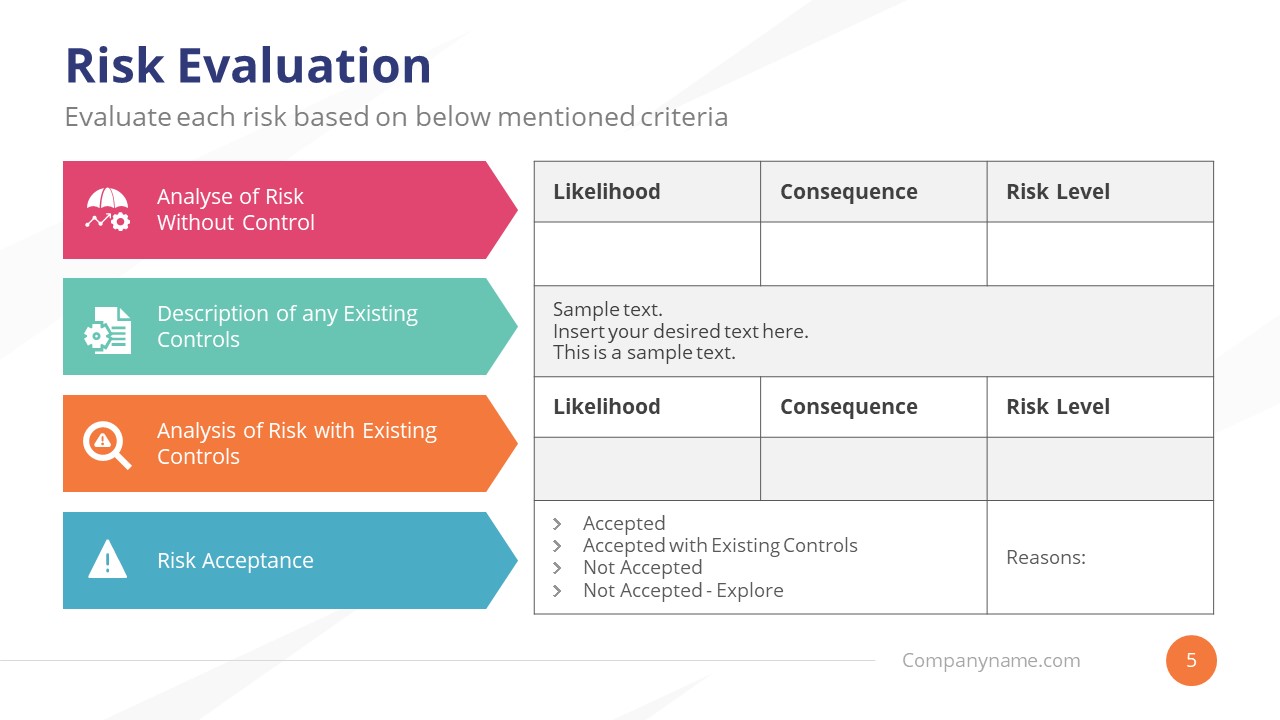
Once risks are identified, it’s essential to assess their likelihood and impact. This involves assigning a probability score (e.g., low, medium, high) and a potential impact score (e.g., minimal, moderate, severe). A simple matrix can be helpful for visualizing this assessment.

- Likelihood: How likely is this risk to occur? (e.g., Very Low, Low, Medium, High, Very High)
- Impact: What would be the consequences if this risk occurred? (e.g., Minimal, Low, Moderate, High, Very High)
The combination of likelihood and impact determines the overall risk level. A risk with a high likelihood and a high impact warrants immediate attention and mitigation planning. Remember, a risk with a low likelihood but a high impact can still be devastating.

Developing a Business Continuity Plan Risk Assessment Template
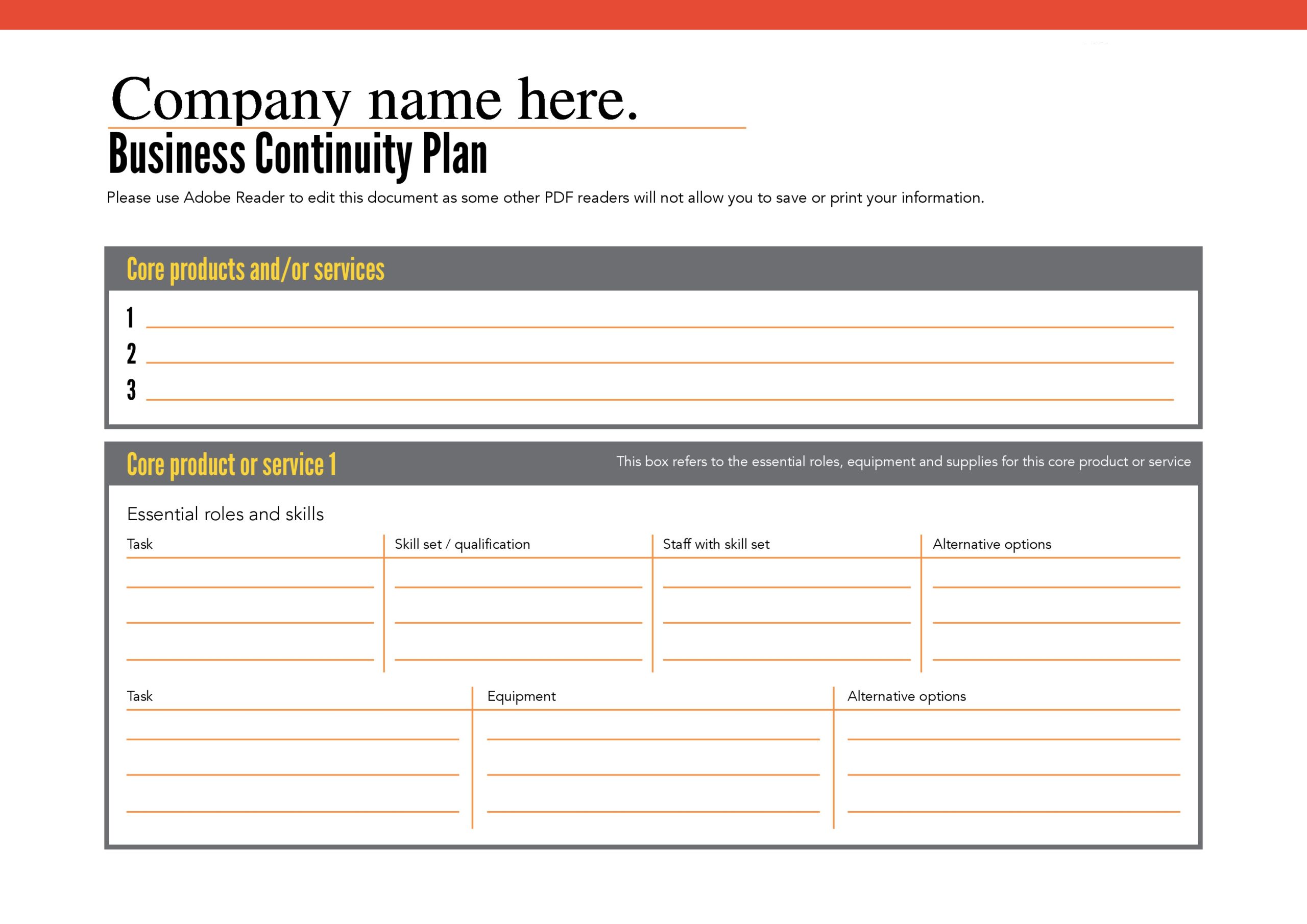
Now, let’s move on to creating a practical template for conducting a risk assessment. This template should be tailored to your organization’s specific needs and industry. Here’s a sample structure:
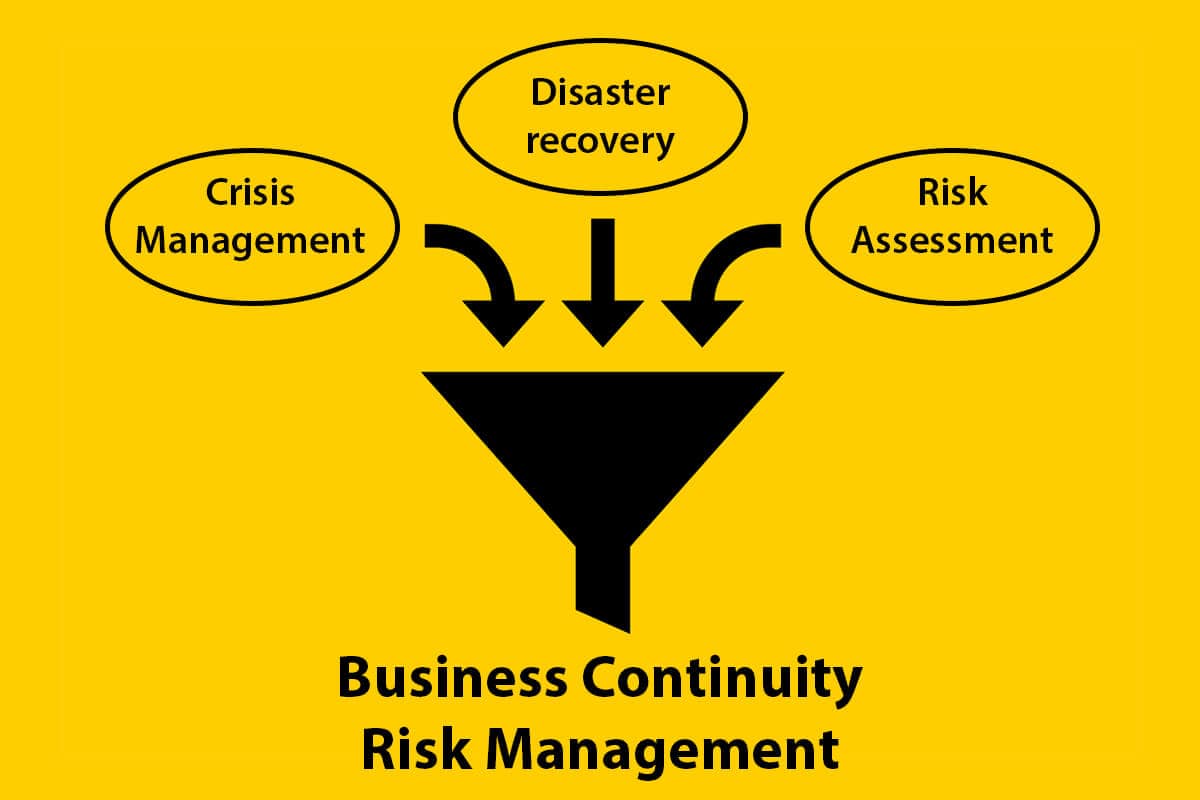
Business Continuity Plan Risk Assessment Template
1. Executive Summary: A brief overview of the assessment findings and key recommendations.
2. Scope and Objectives: Define the boundaries of the assessment and the goals you are trying to achieve.
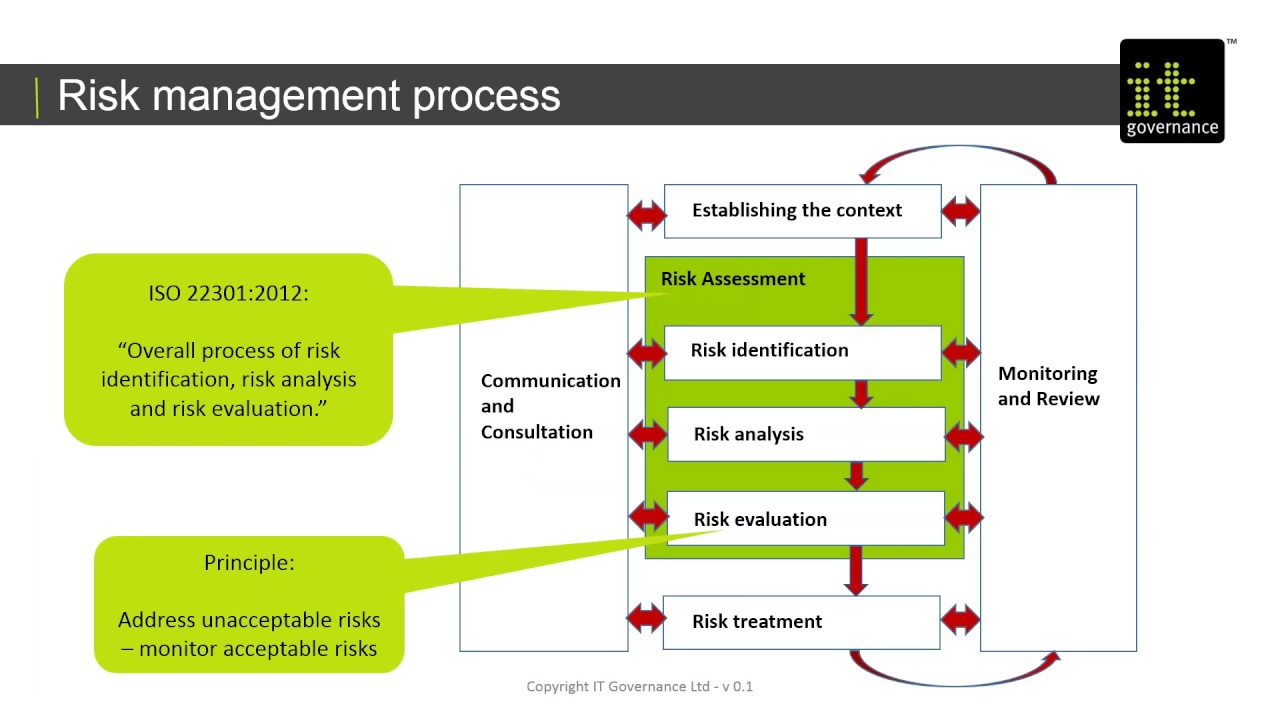
3. Methodology: Describe the approach used for risk assessment (e.g., brainstorming, checklists, surveys).
4. Risk Identification: This section details the identified risks. For each risk, record:
* Risk Description: A clear and concise description of the risk.
* Potential Causes: What factors could trigger this risk?
* Likelihood: (Low, Medium, High)
* Impact: (Low, Medium, High)
* Risk Level: (Based on Likelihood x Impact – e.g., Low, Medium, High)
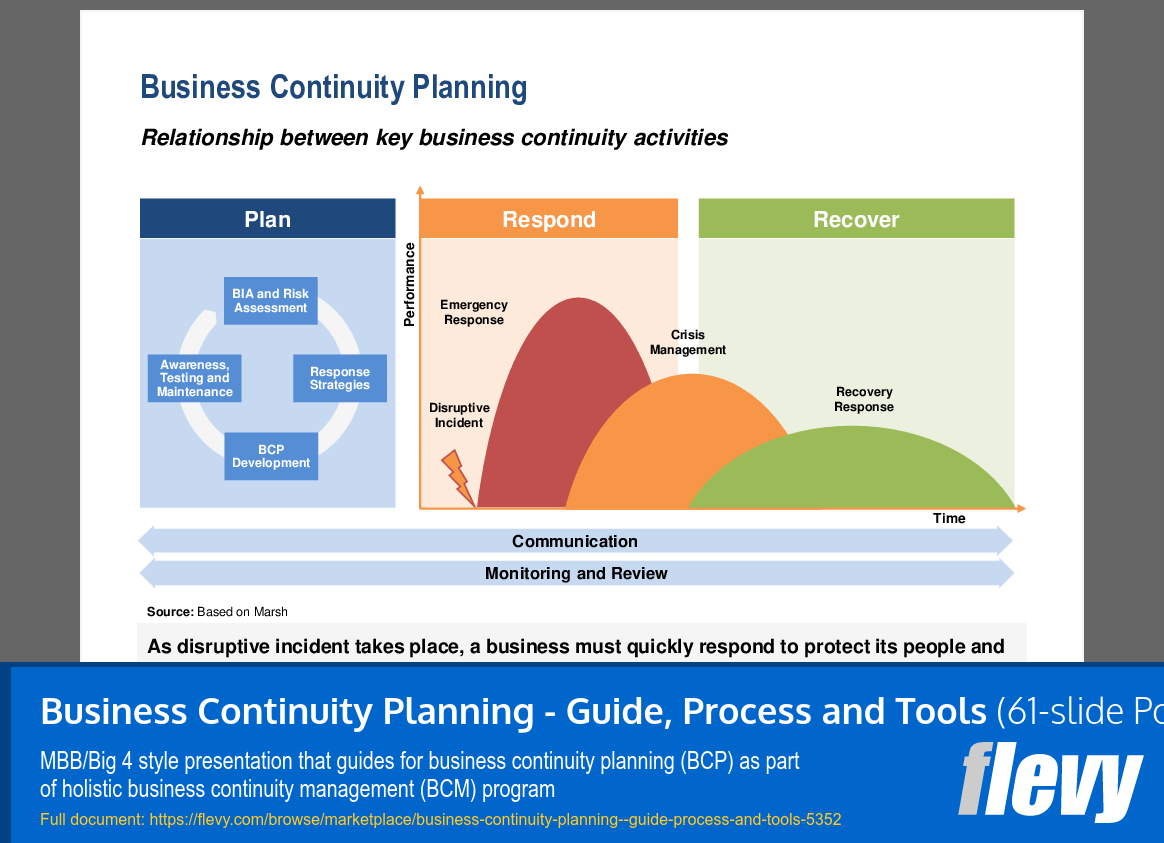
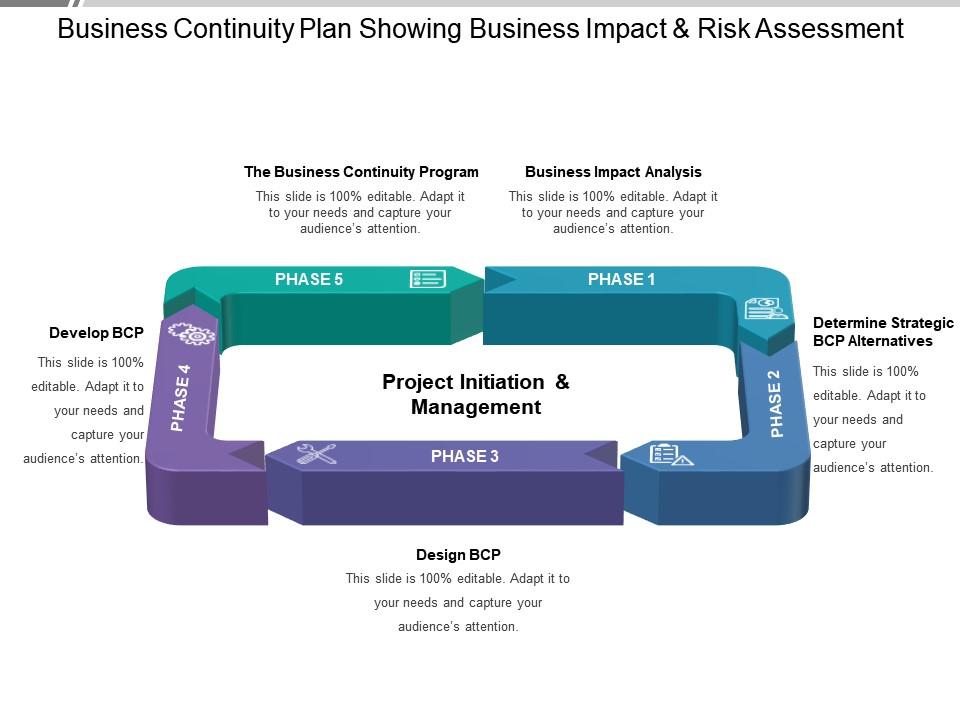
5. Risk Analysis & Prioritization: Analyze the identified risks based on their likelihood and impact. Prioritize risks based on their overall risk level. Use a risk matrix to visually represent the prioritization.
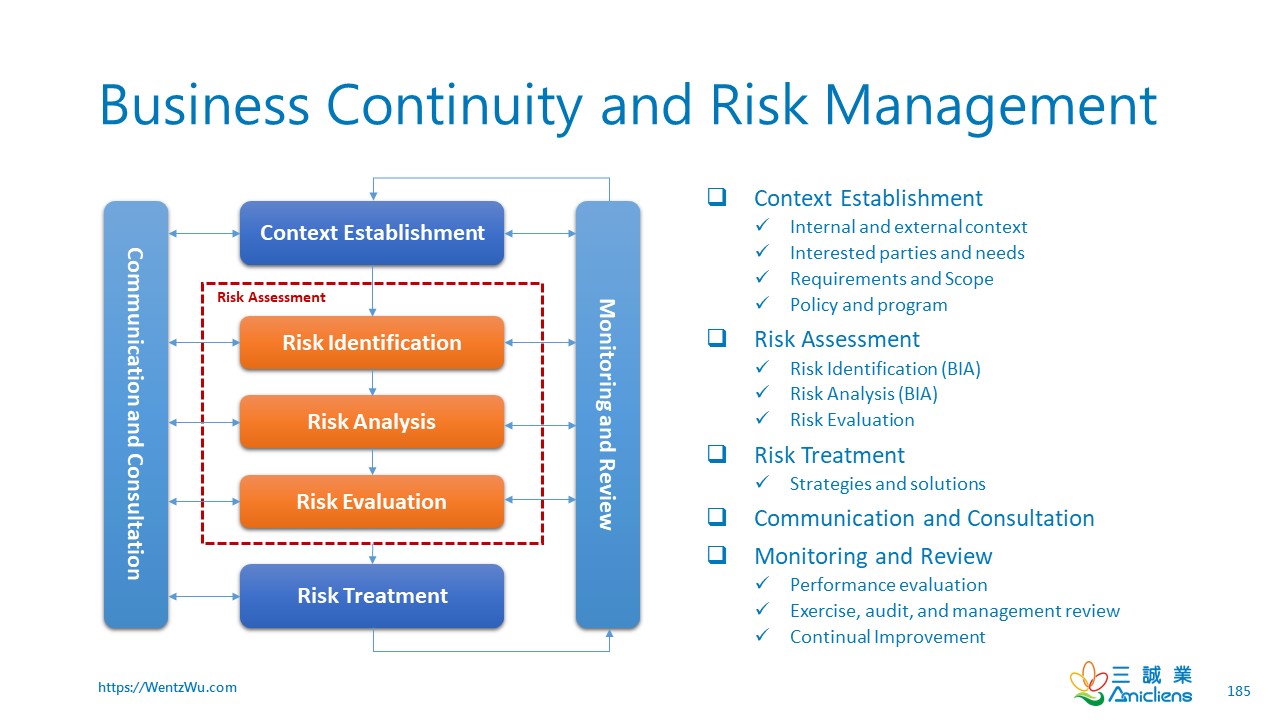
6. Mitigation Strategies: For each prioritized risk, outline potential mitigation strategies. These strategies should address the root cause of the risk and aim to reduce the likelihood or impact. Examples include:
* Preventative Measures: Implementing controls to prevent the risk from occurring.
* Backup & Recovery Plans: Developing procedures for restoring critical systems and data.
* Alternative Work Locations: Identifying and securing alternative workspaces.
* Supplier Diversification: Reducing reliance on single suppliers.
7. Resource Allocation: Identify the resources (budget, personnel, technology) required to implement the mitigation strategies.
8. Monitoring & Review: Establish a process for monitoring the effectiveness of mitigation strategies and regularly reviewing the BCP. This should include a schedule for annual or biannual reviews.
9. Appendices: Include supporting documentation, such as risk registers, checklists, and survey results.
10. Contact Information: Provide contact details for key personnel involved in the BCP.
This template provides a framework for a comprehensive risk assessment. Remember to adapt it to your organization’s unique circumstances. Regularly updating this template is crucial to maintaining a resilient business continuity plan.
Conclusion
A well-executed Business Continuity Plan Risk Assessment Template is not a static document; it’s a living, breathing tool that should be continuously refined and updated. By proactively identifying, analyzing, and mitigating potential risks, organizations can significantly enhance their ability to withstand disruptions and ensure continued operations. Investing in a robust BCP is an investment in the long-term success and stability of your business. Ultimately, a proactive approach to risk management is the key to thriving in today’s unpredictable environment. The importance of a comprehensive BCP Risk Assessment Template cannot be overstated.
Conclusion
The COVID-19 pandemic served as a stark reminder of the fragility of business operations. While the immediate crisis has subsided, the lessons learned have underscored the necessity of a robust Business Continuity Plan. A well-defined BCP, underpinned by a rigorous risk assessment, is no longer a luxury but a fundamental requirement for organizational survival. By embracing a proactive approach to risk management, businesses can build resilience, safeguard their assets, and navigate future challenges with greater confidence. Continuous improvement and adaptation are essential to maintaining a competitive edge in an ever-changing landscape. The ongoing commitment to a robust BCP Risk Assessment Template is a vital investment in the future of your organization.
0 Response to "Business Continuity Plan Risk Assessment Template"
Posting Komentar