
The world of investing is complex, and understanding the nuances of different companies and sectors requires a structured approach. That's where an Equity Research Report Template comes in – a vital tool for analysts, portfolio managers, and investors alike. This template provides a framework for systematically analyzing companies, assessing their potential, and communicating findings effectively. It's more than just a checklist; it's a methodology designed to improve the quality and consistency of research. Equity Research Report Template is designed to streamline the process, ensuring thoroughness and objectivity. It's a cornerstone of informed decision-making, allowing for a more data-driven and strategic approach to investment. This comprehensive guide will walk you through each section, offering practical advice and best practices.
Understanding the Purpose of an Equity Research Report Template
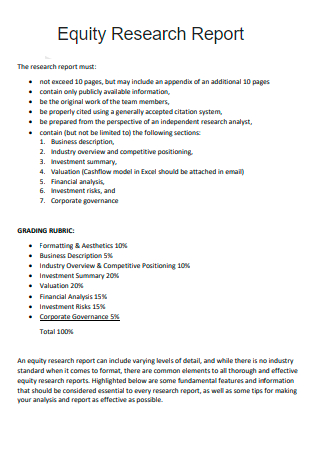
Before diving into the specific sections, it's crucial to understand why an Equity Research Report Template is so valuable. It's not simply about filling out a form; it's about establishing a repeatable process for gathering, analyzing, and presenting information. A well-structured template ensures that all key data points are considered, and that the report is clear, concise, and easily understood. It promotes consistency across research teams, reduces bias, and ultimately leads to more reliable investment recommendations. The template facilitates a holistic view of a company, considering financial performance, competitive landscape, industry trends, and management quality. It's a critical component of any robust investment strategy.
Section 1: Company Overview – Initial Assessment
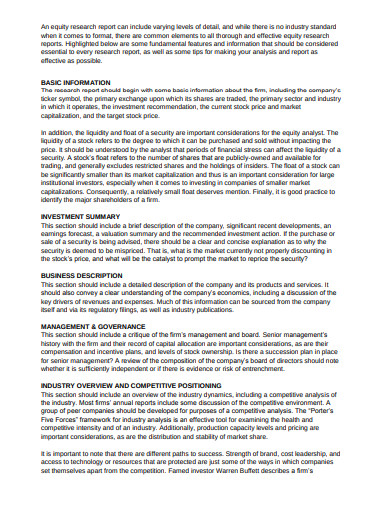
The first step in any equity research report is a thorough understanding of the company itself. This section focuses on gathering basic information and establishing a preliminary assessment. It's vital to begin with a concise overview of the company's history, mission, and core business. Equity Research Report Template begins with a detailed description of the company's industry, its market position, and its competitive advantages. Understanding the company's business model is paramount. Is it a subscription-based service, a hardware manufacturer, or a retailer? The industry context significantly impacts the company's prospects. Key metrics like revenue growth, market share, and customer acquisition cost should be examined. A preliminary assessment of the company's brand reputation and customer loyalty is also important. This initial phase sets the stage for more in-depth analysis.
Section 2: Financial Performance – Deep Dive into the Numbers
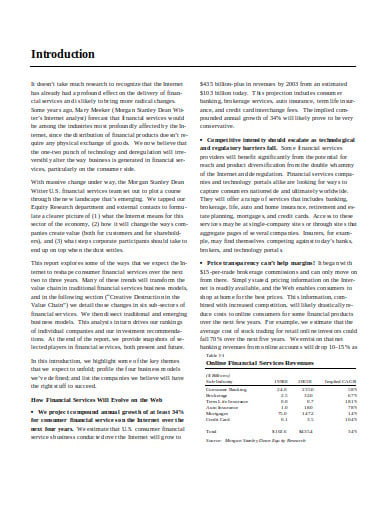
The financial health of a company is the foundation of its long-term viability. This section delves into the company's historical financial statements – income statements, balance sheets, and cash flow statements. Equity Research Report Template emphasizes the analysis of key ratios, including profitability ratios (e.g., gross margin, operating margin, net profit margin), liquidity ratios (e.g., current ratio, quick ratio), and solvency ratios (e.g., debt-to-equity ratio). Analyzing trends over several years is crucial. Are revenues growing consistently? Is the company managing its debt effectively? Understanding the company's cash flow generation is equally important. A detailed examination of the company's cost structure is also necessary to assess its operational efficiency. Furthermore, a review of the company's capital expenditures and return on capital is essential for evaluating its investment potential.
Section 3: Industry Analysis – Understanding the Macro Environment
The industry in which a company operates significantly influences its performance. This section focuses on a comprehensive industry analysis, examining key trends, growth rates, and competitive dynamics. Equity Research Report Template requires a detailed understanding of the industry's regulatory environment, technological advancements, and macroeconomic factors. For example, the rise of electric vehicles impacts the automotive industry, while increased regulation in the healthcare sector can affect pharmaceutical companies. Porter's Five Forces is a useful framework for analyzing the competitive intensity of an industry. Identifying key players, potential disruptors, and barriers to entry are crucial for assessing the industry's attractiveness. Furthermore, understanding the overall economic outlook – including GDP growth, inflation, and interest rates – is essential for predicting the industry's future performance.
Section 4: Competitive Landscape – Assessing the Rivalry
A thorough understanding of the competitive landscape is critical for evaluating a company's position in the market. This section examines the company's main competitors, their strengths and weaknesses, and their market share. Equity Research Report Template utilizes tools like SWOT analysis (Strengths, Weaknesses, Opportunities, Threats) to assess the competitive environment. Analyzing the company's competitive advantages – such as brand recognition, proprietary technology, or cost leadership – is essential. Understanding the barriers to entry for new competitors is also important. A detailed assessment of the competitive intensity within the industry helps determine the company's potential for sustainable growth. Furthermore, examining the company's strategic positioning within the industry – whether it's a niche player or a market leader – provides valuable insights.
Section 5: Management Team – Assessing Leadership
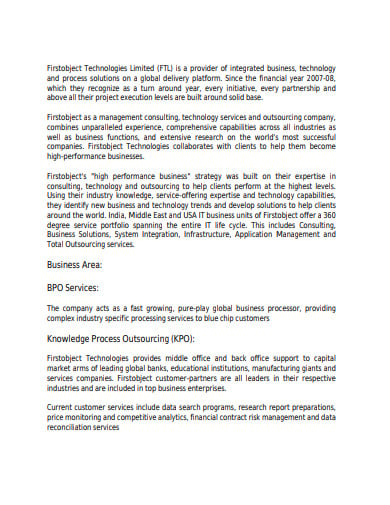
The quality of management is a critical determinant of a company's success. This section focuses on evaluating the management team's experience, expertise, and track record. Equity Research Report Template examines the key executives, their backgrounds, and their strategic vision. A review of the company's board of directors and their composition is also important. Assessing the management team's ability to execute the company's strategy is crucial. Looking at their past performance, particularly in previous acquisitions or strategic initiatives, provides valuable insights. Furthermore, evaluating the company's corporate governance practices is essential for ensuring accountability and transparency. A strong and capable management team is a key driver of long-term value creation.
Section 6: Valuation – Determining Fair Value
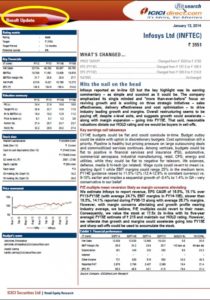
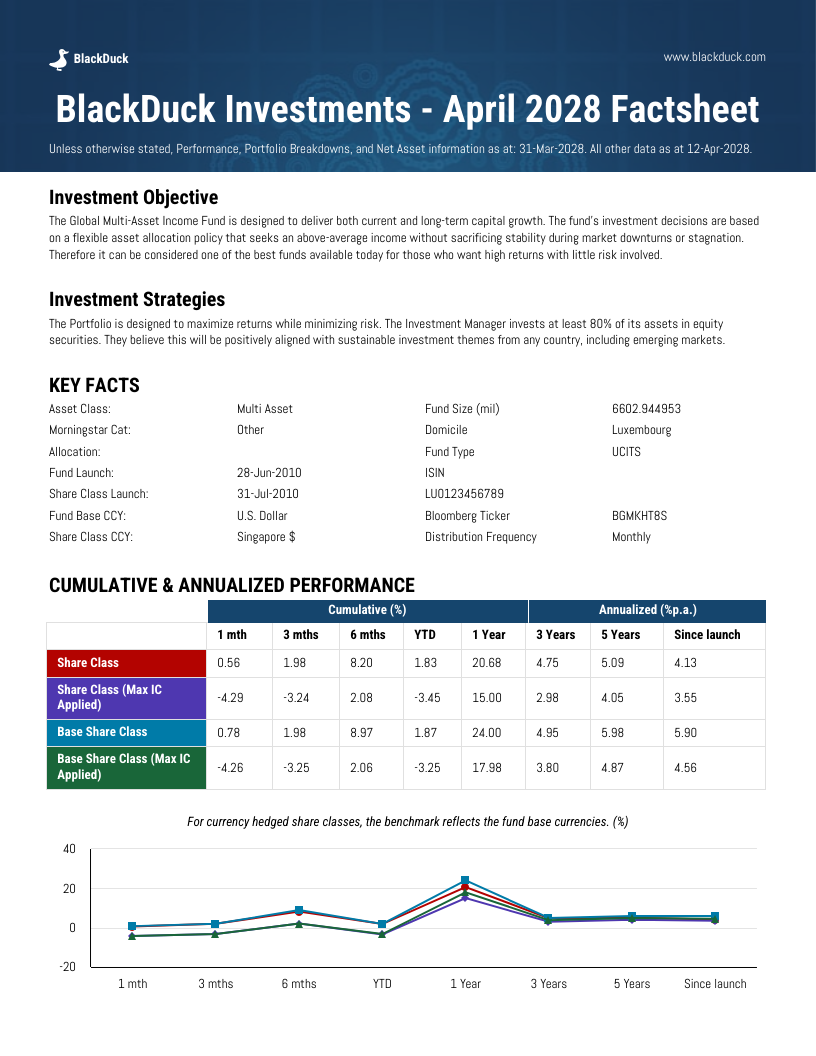
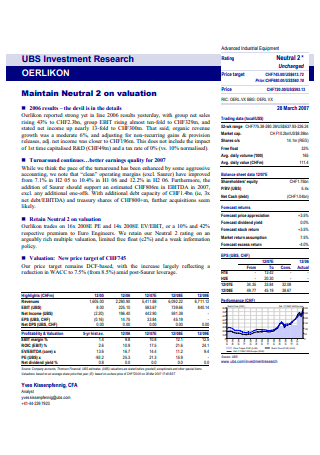
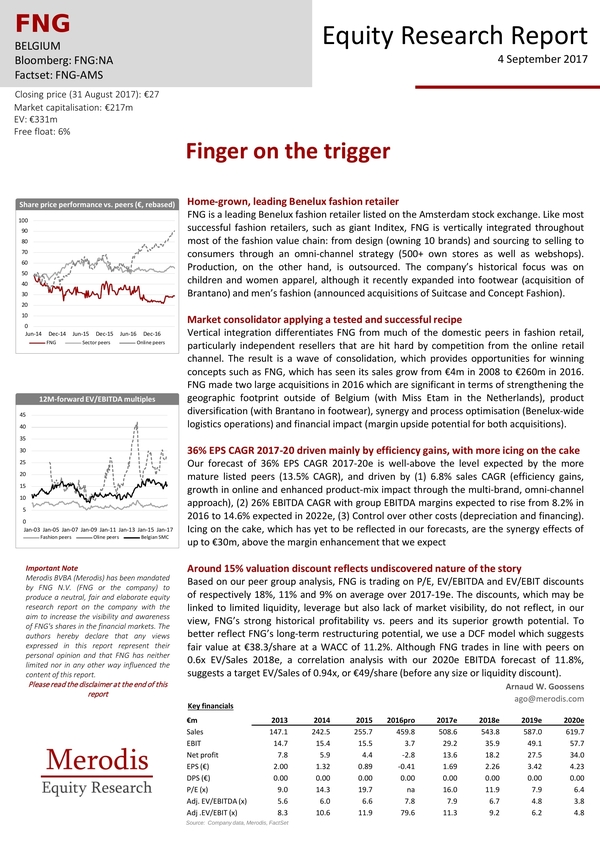
Ultimately, the value of a company is determined by its market price. This section focuses on determining a fair value for the company's stock. Equity Research Report Template utilizes various valuation methods, including discounted cash flow (DCF) analysis, relative valuation (comparing to peers), and asset-based valuation. DCF analysis estimates the present value of the company's future cash flows. Relative valuation compares the company's valuation multiples to those of its peers. Asset-based valuation estimates the value of the company based on its tangible assets. It's important to note that valuation is an art as much as a science. Sensitivity analysis – testing how the valuation changes under different assumptions – is crucial for understanding the potential risks and rewards.
Conclusion – Key Takeaways
An Equity Research Report Template provides a structured and comprehensive framework for evaluating companies and assessing their investment potential. By systematically analyzing financial performance, industry dynamics, competitive landscapes, and management quality, analysts can generate reliable and insightful reports. The template's emphasis on data-driven analysis and objectivity promotes consistency and minimizes bias. Ultimately, a well-executed Equity Research Report Template empowers investors to make informed decisions and achieve their investment goals. Remember that this is a dynamic process, requiring continuous monitoring and adaptation as new information becomes available. Continuous refinement of the template and the analysis it generates is key to maintaining its effectiveness. Investing in a robust and adaptable framework is an investment in your own informed decision-making.
Additional Resources
- [Link to SEC Filings (10-K, 10-Q)]
- [Link to Industry Reports (e.g., from Gartner, Forrester)]
- [Link to Valuation Databases (e.g., Bloomberg, Capital IQ)]
0 Response to "Equity Research Report Template"
Posting Komentar